Vue aérienne d'une foule de personnes marchant dans des directions différentes.

Peter Muldowney, vice-président principal et chef, Stratégie institutionnelle à catégories d’actifs multiples, discute avec Benefits and Pension Monitor. Dans l’article intitulé « The leading players in global equities », M. Muldowney rappelle aux lecteurs que, quelle que soit la catégorie d’actif, la diversification est la clé pour atteindre le résultat visé.
Brazilian economy, a 1 Real coin over a line chart graphic in a newspaper.

Brazil, the largest economy in Latin America, faced a mixed economic outlook in 2024. With low population growth, inflationary pressures and government overspending, the country navigated through significant challenges. However, certain sectors such as agriculture exhibited resilience, and the government, under President Luiz Inácio Lula da Silva (commonly known as “Lula”), worked on implementing policies to manage inflation and drive economic recovery.

In this recap, we will review Brazil’s economic performance, inflation dynamics, the effects on various sectors and explore potential opportunities for 2025.

Population growth and demographic trends

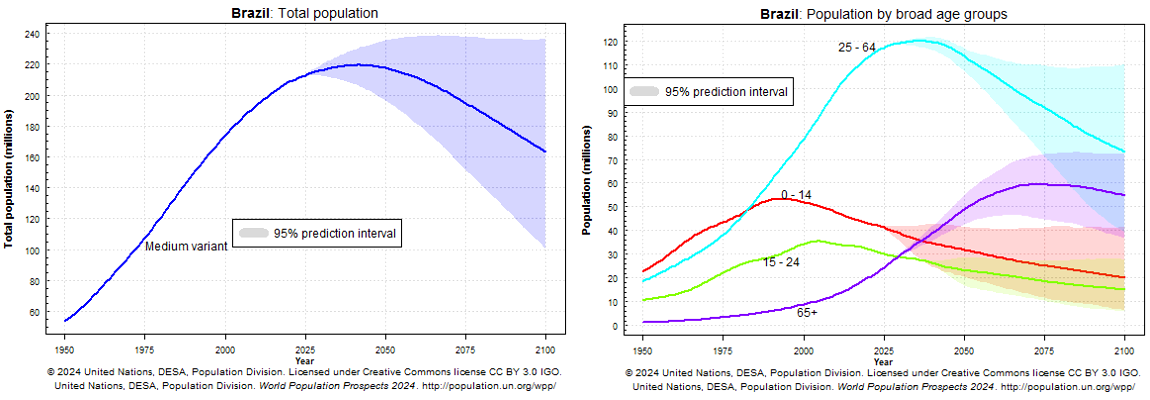
As Brazil’s population growth slows and the proportion of older individuals rises, the country will face a shrinking working-age population. This poses a significant challenge for the labour market as fewer people will be available to fill jobs and contribute to the economy.

Two line graphs illustrating population growth. Graph 1 shows total population growth of Brazil with a predicted growth past 2025. Graph 2 shows population growth of Brazil by broad age groups, with predicted growth per group past 2025.

2024 performance

Brazil went through a tough year in 2024 with a yearly performance of -29.47% (USD) (MSCI Brazil Index). Consumer discretionary performed the worst out of all sectors with -44.23% (USD). The main driver of the weak performance was linked to a weak Brazilian real. Brazil was one of the first countries to start reducing rates back in August 2023, while the United States had just finished increasing rates back in July 2023.

The currency performance against the USD was nearly -22%, and the currency remains under pressure, reflecting investor skepticism over Lula’s ability to address Brazil’s ballooning budget deficit, reaching a high of 10% of GDP in July 2024. The country faced false hopes when attempting to contain inflation as it reversed back in April 2024. Between January and April, inflation decreased by almost 80 bps, only to shoot up by 110 bps (April to December 2024), ending the year at 4.83% as per the Central Bank of Brazil.

MSCS Brazil sector performance

Sector weights
Sectors 01/31/202401/31
2024
12/31/202412/31
2024
2024 Return (USD)
MSCI Brazil Index 100.0% 100.0% -29.47%
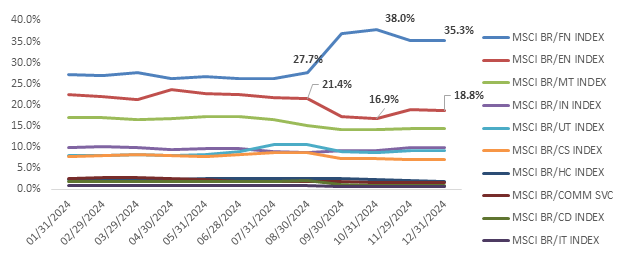
Finance 27.4% 35.3% -38.40%
Energy 22.4% 18.8% -27.20%
Materials 17.0% 14.4% -38.60%
Industrials 9.9% 9.9% -24.30%
Utilities 8.0% 9.2% -30.47%
Consumer staples 7.7% 7.1% -32.06%
Healthcare 2.4% 2.0% -41.51%
Communications 2.6% 1.6% -32.18%
Consumer discretionary 1.9% 0.9% -44.23%
Information technology 0.9% 0.8% -37.53%

Source: Bloomberg

Despite signs of inflation increasing, it took the Central Bank of Brazil until September to increase the Selic rate by 25 bps, followed by 50 bps in November and a final increase of 100 bps in December. Starting the year off with a sentiment of rates reducing to a swift change of aggressive increase caught investors by surprise.

MSCI Brazil Index sector weights (2024 – present)
Line graph showing the different MSCI Brazil Index sector weights over 2024 to present day.
Source: Bloomberg

A company we like in Brazil: Vivara Participações S.A. (VIVA3.SA)

Vivara is Brazil’s number one jewelry retailer with around 435 stores and approximately 21% market share. Vivara was launched in 1962, with new segments such as Life by Vivara, watches, accessories and fragrances completing the product range. Vivara enjoys high returns and strong consumer brand recognition.

During 2024 the company suffered a performance of -46.3% (USD). The performance was attributed to a weak consumer and unexpected management changes. The company is reorganizing the selling space (optimizing the stores) and improving customer experience. It also changed the inventory level in order to support the same-store sales growth acceleration seen in recent quarters (Q3 +13.5%, Q2 +11.6%, Q1 +9.4%) and to reduce stockouts.

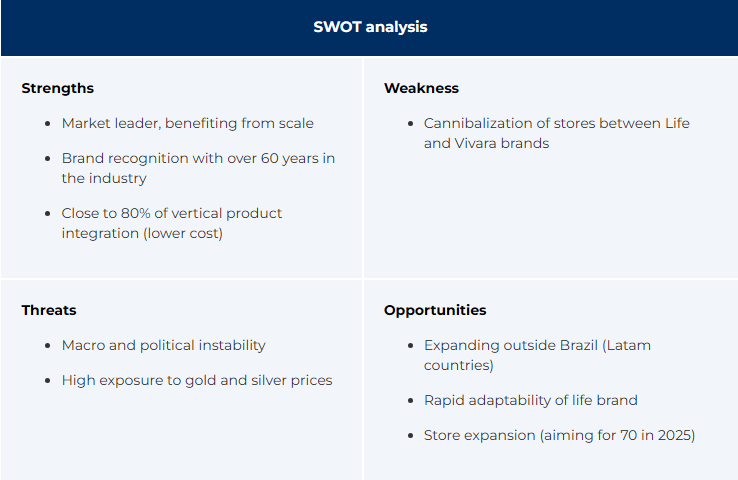
SWOT analysis
Strengths

  • Market leader, benefiting from scale
  • Brand recognition with over 60 years in the industry
  • Close to 80% of vertical product integration (lower cost)
Weakness

  • Cannibalization of stores between Life and Vivara brands
Threats

  • Macro and political instability
  • High exposure to gold and silver prices
Opportunities

  • Expanding outside Brazil (Latam countries)
  • Rapid adaptability of life brand
  • Store expansion (aiming for 70 in 2025)

SWOT analysis table

GACM_COMM_2025-01-23_Banner

Amid the overall pessimism toward European economies, one of the reasons provided most often for the underperformance relative to the United States is a lack of innovation and entrepreneurship. Many data points tend to confirm this:

  • Over three times as many patents are filed in the United States annually than the entirety of Europe.
  • Research and development (R&D) is 2.8% of GDP in the United States vs. only 2.2% for Europe.
  • Average time to go through filings to start a business is 3-5 days in the United States and up to multiple weeks in Europe.
  • The United States attracts the lion’s share of global venture capital (VC) investment; over three times of the $50 billion attracted by Europe in 2023.

It is worth noting, however, that Europe has one large outlier when it comes to innovation: Sweden. Within Europe, Sweden easily stands out as one of the most entrepreneurial and innovative countries, raising questions from its neighbours as to how their success can be replicated. While entrepreneurship metrics have, by some measures, declined in the United States over the past 30 years, Sweden has seen the opposite trend.

So, what differentiates Sweden from its neighbours, and can it be replicated?

There is a case to be made that part of it stems from a cultural aspect. Swedish demographics have historically been described as high on social trust and cohesiveness, driven by a small historical level of immigration, similar to Japan or South Korea, but it is probably only part of the overall picture. Other likely factors include:

  • Entrepreneurship training in Sweden being taught in high school since 1980, with over 30% of students today participating in such programs. Other Nordic countries, on the other hand, started this type of program only in the mid-1990s and on a much smaller scale than Sweden did.
  • Risk-taking being socially encouraged and celebrated, with a common perception that opportunities are plentiful. Social safety nets also allow for failure and risk-taking.

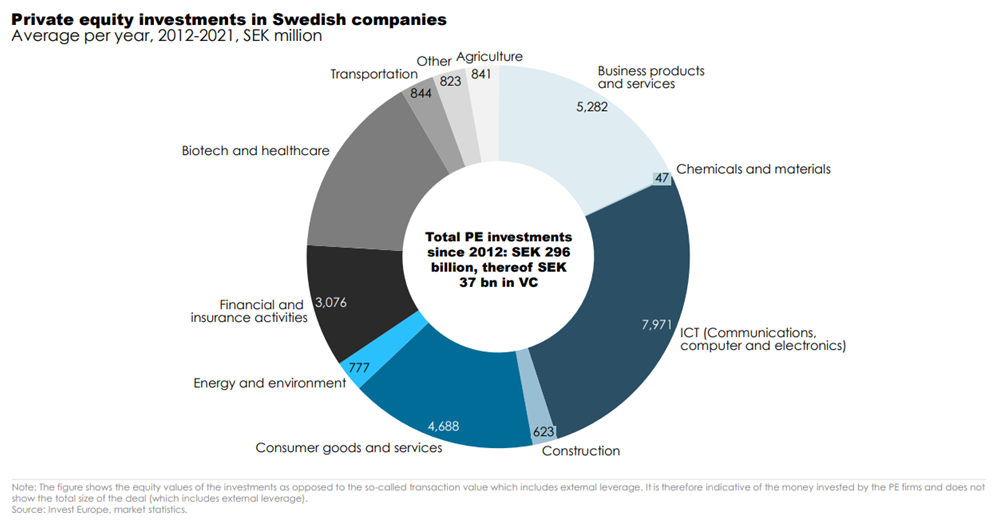
Possibly as a result of this, Sweden’s VC market is more vibrant than other Nordic countries and has contributed directly to building Sweden’s reputation as a hub for technological innovation through its higher focus on early-stage investments. Furthermore, VC investment is well supported by the government through tax-incentives, grants and funding programs. Consequently, Sweden has the largest private equity capital raised as a share of GDP in Europe, trailing only Luxembourg. On its own, Swedish VC is estimated to have contributed 1.5% of total GDP growth on its own and has had a direct impact on creating more highly skilled, specialized jobs than its neighbouring countries.

GACM_COMM_2025-01-23_Chart01

It is therefore no surprise that Global Alpha is quite positive on Sweden’s long-term prospects and has had no trouble finding quality names for our portfolios. We profile two such names here.

Sdiptech AB (SDIPB SS) is a so-called industrial “serial acquirer,” a unique Sweden-based business model that consists of growth mostly through small, niche acquisitions without necessarily seeking material synergies or trying to integrate with the existing businesses. It acts as a forever-owner of companies where the founder is looking to sell their business, make sure their employees are well taken care of and don’t want to sell to private equity. Sdiptech focuses on acquiring businesses that are already cash-flow generative, as it finances its acquisitions purely through debt and not equity dilution. Its acquired companies operate along one of the four segments of its reporting structure: supply chain & transportation, water & bioeconomy, safety & security and energy & electrification. Most of its sales are aligned with the UN societal development goals. The company also differentiates itself from other serial acquirers through its comparatively strong organic growth profile (in addition to consistent M&As) and its lower leverage than peers, resulting from its smaller scale and more focused end-markets.

Another company we own in Sweden is Biogaia AB (BIOGB SS), a producer of probiotic supplements founded in 1990 by Peter Rothschild and that is present in over 100 markets. Probiotics is a USD71 billion global market with an expected CAGR of 8% over the next five years, driven by higher health awareness and shifting preference toward preventive healthcare. Biogaia differentiates itself from peers on two aspects: its global reach and its science-driven, innovative approach to product development. Biogaia is the only probiotic provider that continuously collaborates with universities globally on research to maintain its differentiated product from more generic peers who usually spend less than 1% of their sales on R&D, allowing it to sell at a premium with less discounting than its competitors.

It is probably an overstatement to say that Sweden is better today at fostering innovation than its North American counterpart. Nonetheless, it is noteworthy that Sweden has been trending more toward a dynamic bottom-up approach to innovating whereas observers tend to agree that the US economy has evolved into an environment that tends to favour incumbents over new entrants, thanks to softer regulations around lobbying and a higher rate of regulatory capture. We remain globally diversified and are optimistic on the growth prospects of both the United States and Sweden going into this new year.

GACM_COMM_2025-01-16_Banner

As we turn the page on another year, the investment landscape is poised for transformative shifts. Despite the narratives suggesting a retreat, Environmental, Social and Governance (ESG) considerations remain at the forefront of corporate and investor agendas. These factors are not just influencing how businesses operate, but are also reshaping how capital flows, decisions are made and risks are assessed globally.

In this commentary, we highlight five ESG trends set to shape the year ahead, revealing both challenges and opportunities for investors and businesses alike.

1. Enhanced regulatory frameworks and mandatory reporting

The era of voluntary ESG reporting is coming to an end. Governments and regulatory bodies worldwide are tightening disclosure requirements, aiming for greater transparency and accountability. For instance, over 50,000 companies globally will start publishing reports in line with the EU’s Corporate Sustainability Reporting Directive (CSRD), effective as of the 2024 financial year. In the United States, despite the polarization of ESG, the California climate disclosure laws will impose strict climate-related reporting obligations for businesses to report climate-related information, while Canada’s Sustainability Standards Board (CSSB) has just published the first sustainability disclosure standards, signaling a move towards harmonized ESG standards.

These regulatory shifts demand readiness from companies to avoid fines and maintain competitiveness, offering investors richer datasets to assess ESG risks and opportunities.

2. The energy security and decarbonization nexus

Geopolitical instability and growing energy demands have elevated energy security to a strategic priority. At the same time, the global race to decarbonize continues to accelerate. Renewable energy investments, energy storage solutions and the deployment of innovative carbon capture technologies are central themes driving this dual agenda.

Many of our holdings are benefiting from this trend. One such example is Landis+Gyr Group AG (LAND SE), a leader in smart metering, grid edge intelligence and smart infrastructure technology, who is helping companies decarbonize their operations. In 2023 alone, Landis+Gyr’s smart metering technology helped to enable a reduction of 8.9 million tons of direct CO2 emissions among customers, while contributing to the company’s growth.

3. Climate adaptation finance continues gaining momentum

While decarbonization remains critical, the rising frequency of climate-induced disasters has underscored the need for climate adaptation strategies. 2024 saw insurance companies suffer $10.6 billion of climate-attributed losses, according to Insure our Future. Investments in climate-resilient infrastructure, disaster recovery, ecosystem restoration and sustainable agriculture are gaining prominence as businesses recognize the economic benefits of adaptation alongside mitigation.

Companies that proactively address physical risks and implement strategies to safeguard operations are becoming more attractive to investors, as they represent opportunities for long-term sustainable growth and stability. Such an example is our holding Installed Building Products Inc. (IBP US), an insulation and building products company whose portfolio includes sustainable insultation, waterproofing, fire-stopping and fireproofing products. In addition to helping companies adapt to physical risks, IBP is aiming to reduce its carbon producing electricity usage by 50% from 2020 by 2030.

4. ESG integration into core business strategies

ESG as a standalone acronym may be fading, but its principles are permeating every aspect of corporate strategy. Businesses are embedding ESG considerations into supply chains, workforce management and product innovation, aligning with stakeholder expectations while mitigating risks.

For example, procurement strategies now emphasize circularity and resource efficiency, while governance practices are evolving to enhance transparency and build investor trust. This shift from a compliance-driven approach to a strategic imperative positions companies with robust ESG frameworks as long-term winners in the eyes of investors.

5. Digital infrastructure and resilience

In an increasingly interconnected world, digital infrastructure has become the backbone of economic and societal resilience. The rapid shift towards digitalization, coupled with the rising frequency of cyberattacks and natural disasters, underscores the need for robust and adaptive digital systems. Investments in secure data centers, resilient cloud services, and advanced cybersecurity measures are gaining momentum as businesses and governments prioritize safeguarding critical digital assets.

Furthermore, integrating digital infrastructure with renewable energy sources and smart grids enhances both energy efficiency and reliability. Companies advancing in digital resilience – those equipped to withstand and recover from disruptions – are increasingly attractive to investors seeking stability and innovation in the face of growing uncertainties.

Conclusion

The ESG trends shaping the new year highlight the dynamic intersection of sustainability and business resilience. For investors and companies alike, staying ahead of these trends is not just about compliance but about seizing opportunities for growth, innovation and competitive advantage in a rapidly transforming world.

GACM_COMM_2024-12-19_Banner

As we look back on 2024, we saw the equity market prove itself to be a testament to resilience, and a return to speculative activity last seen since before the pandemic.

Below is a selection of charts that our team found to be particularly impactful, highlighting the environment we witnessed in 2024 and, more importantly, why we’re excited for 2025.

Speculation

This year has been the year of the US equity markets, particularly the mega cap Magnificent Seven, up over 60% in 2024. The speculative fervour that gripped the United States has reached fever pitch. The best way to measure it may actually not be Bitcoin – even though it has more than tripled this year to trade above $100,000.

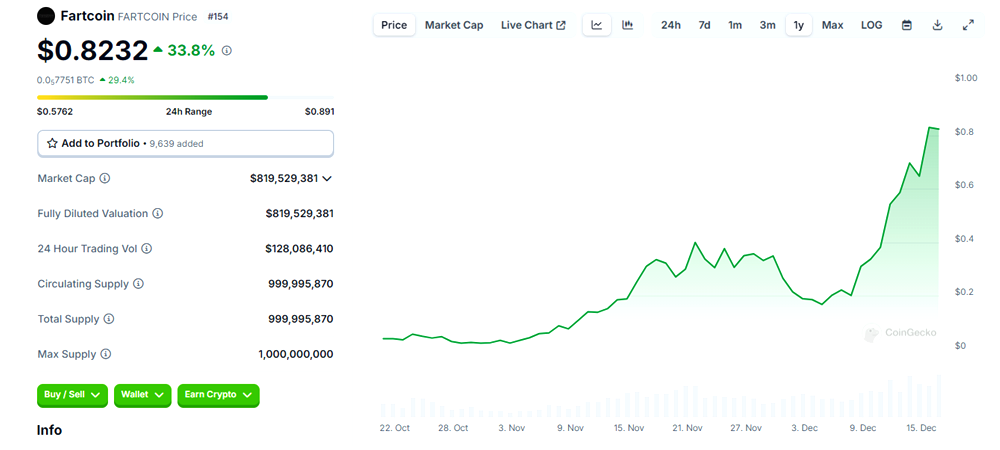
Have you heard of Fartcoin? Yes, you read that correctly. Just so you know, the coin is up over 1,000% since the US elections on November 5.

GACM_COMM_2024-12-19_Chart01
Source: CoinGecko

Not bad for a cryptocurrency that allows users to submit fart jokes or memes to claim initial tokens. Over USD60 million is traded every day; with a market cap of $830 million, it is the 189th largest cryptocurrency. We are in uncharted territories.

Regional market concentration

GACM_COMM_2024-12-19_Chart02
Source: BofA Global Investment Strategy, Global Financial Data, Bloomberg

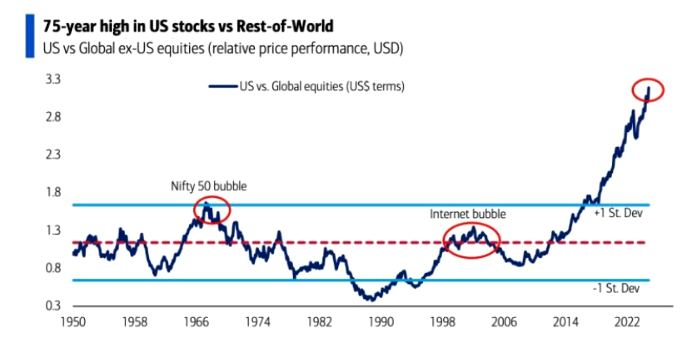
The concentration of the gap in valuation between US stocks and the rest of the world is driving up the valuation of US stocks to extreme levels. Global markets have been tumultuous since the pandemic, but with the rush for AI and technology, the US market has shown to be the most resilient, therefore drawing investors from abroad in droves.

Top ten concentration

GACM_COMM_2024-12-19_Chart03
Source: BofA Global Investment Strategy

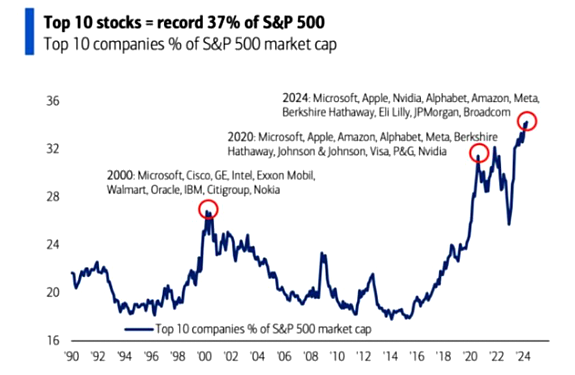
Regarding the gap between the top-10 stocks in the S&P 500 and the remaining 490, a similar divergence is taking place when we examine equity market flows. In fact, the best way to measure the fervour is in the investor concentration towards US equities, specifically the S&P 500. With the Magnificent Seven making up nearly 50% of the S&P 500’s gain, this high is volatile. Any earnings slowdown or unfavourable news within this seven could result in outsized impacts on the overall performance.

We will let you judge if this a risky environment or not. To quote Mark Twain, “History doesn’t repeat itself, but it often rhymes.”

Instead of trying to find reasons why this market might correct, allow us to concentrate on what we see as opportunities.

Global opportunities outside of the United States

We’ve written numerous pieces on opportunities within small caps in JapanEurope and emerging markets this year, so it’s no surprise when we say that we believe that the Japanese economy will be the fastest growing developed market economy in 2025.

The country has turned the corner on deflation. The virtuous wage/price spiral has taken hold. Pay rose 3.6% for base pay and 5.17% in total pay in 2024. We expect a similar increase in 2025. Interest rates will probably rise another 0.5%. Japan is a beneficiary of mega trends, from friendshoring to AI, semi-conductor investments to green transition. A newly announced ¥39 trillion fiscal package will help even further. As a result, a stronger economy with a large discount in Japanese companies’ valuations and investor-friendly measures such as M&A and buybacks mean Japan should be the top performing developed equity market in 2025.

In Europe, how a few years make a huge difference. Countries like Spain and Italy should be outperformers, as well as the UK and Sweden as these countries and their economies begin to turn.

For emerging markets, China will deploy fiscal stimulus that is similar to 2008, putting a floor on deflation risks, stimulating consumption and buoying the stock market. Given the underweight of most asset managers, it may mean healthy returns for the Chinese markets.

MSCI EAFE Small Cap minus Russell 2000
GACM_COMM_2024-12-19_Chart04
Source: Global Alpha Capital Management Ltd.

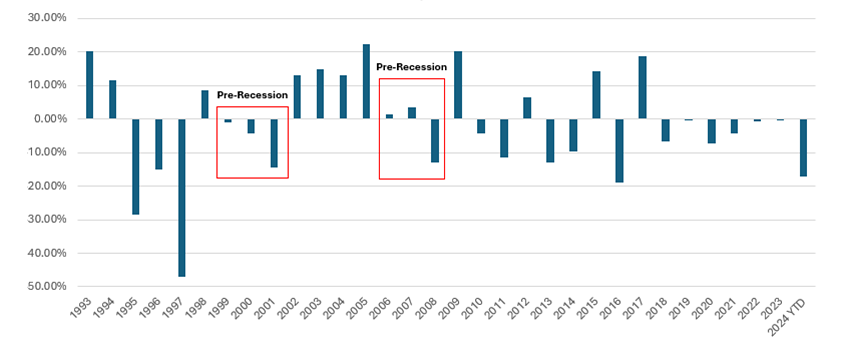
Since fall 2024, there has been a rotation into US small caps, fueled even more by the Trump Trade: Could we see international small caps catch up? One can observe the relative outperformance of EAFE small cap between 2002 and 2010. Seven years of underperformance is unprecedented. And we need to know that Japan is around 33% of the EAFE small cap index. According to the fundamentals and history, if there is a slowdown in the United States, international markets including international small caps could stand to be big beneficiaries.

Mergers and acquisitions

GACM_COMM_2024-12-19_Chart05
Source: Global Alpha Capital Management Ltd.

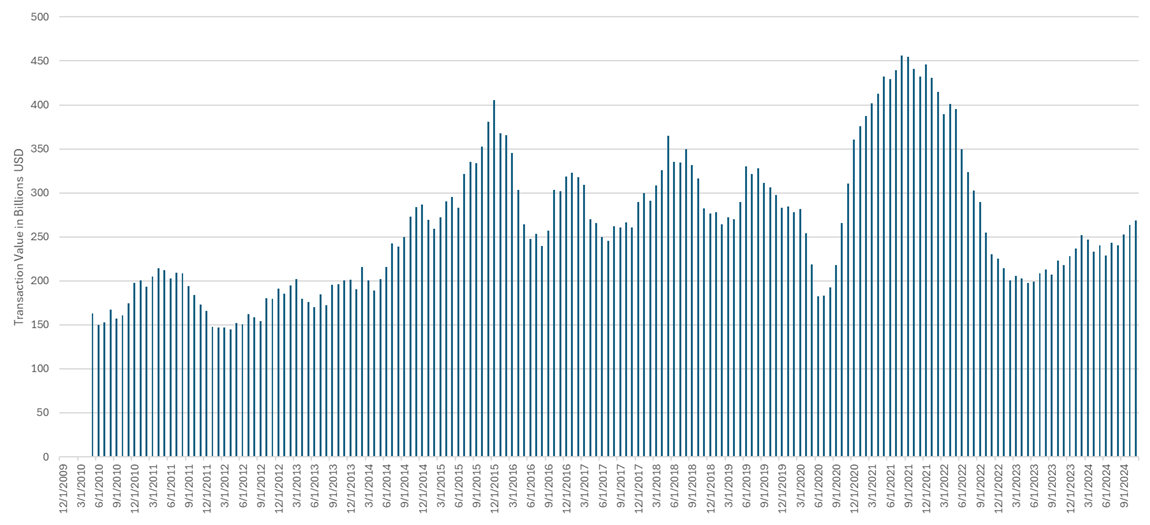
We have also recently seen a pick-up in M&A activity. A consensus is emerging from advisors like Goldman Sachs, Evercore and others that 2025 will be a record year. M&A activity is projected to be 15% greater 2024, which was already up 15% over 2023.

GACM_COMM_2024-12-19_Chart06
Source: Global Alpha Capital Management Ltd.

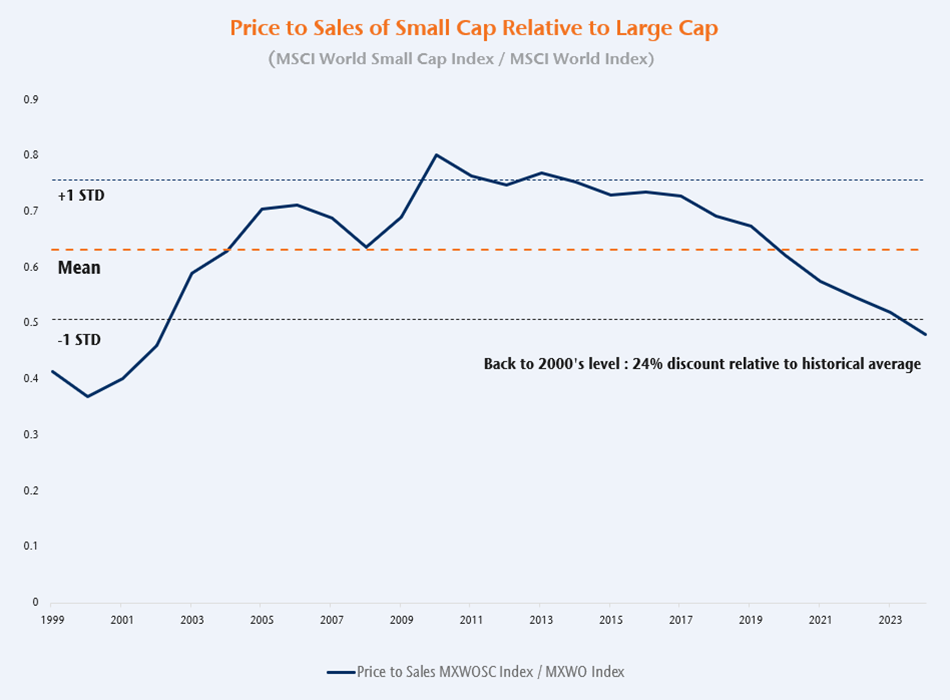
Finally, the relative valuations of global and EAFE small caps versus large cap indicate a once-in-a-few-decades opportunity.

Investments are currently overloaded into the US market, with an oversaturation in the Magnificent Seven stocks. But it is clear there is opportunity in small caps – particularly international small caps – therefore, this is an opportunity that excites our team going into 2025.

In closing, the entire team at Global Alpha would like to thank you for your trust, and we want to wish you a beautiful holiday season and a wonderful 2025 ahead.

Waterfront architectural landmarks of Sydney Harbour in aerial cityscape.

A sign of the times: tariffs will increasingly be part of our risk analysis resulting in both threats and opportunities in the global view of our investment universe. The impacts could be large in magnitude.

According to Goldman Sachs, a 25% tariff on North American trade could increase the consumer price index by 9%. In this extreme tariff environment for Canada and Mexico, Vietnam, Germany and Japan (all being equal) are the countries that would benefit in the short term as they have the most trade deficit with the United States. Mid-term, inflation sets back in and the winners would become sectors led by banks, real estate, utilities and commodities.

Lifting tariffs from down under

Meanwhile, at the other end of the globe, China and Australia are coming out of a trade war and Australia is set to benefit from increased free trade. China has recently ended heavy sanctions on Australian goods such as an 80.5% tariff on barley and a 212% tariff on wine. Further, China has recently declared an intent to promote free trade as a way of ending their economic slowdown. Over 30% of Australian exports are destined for China, making it by far Australia’s largest trading partner.

In 2024, trade between Australia and China continued to grow significantly, with volumes exceeding pre-pandemic levels. Australian exports like iron ore, coal and natural gas remained dominant, while products like barley, timber, and potentially wine and lobster recovered after previous trade restrictions were eased. China’s imports from Australia showed double-digit growth, supported by warming diplomatic ties.

Over-reliance on China prompted Australia to diversify. As per the Organisation for Economic Co-operation and Development (OECD), the recent Australia-UK Free Trade Agreement provides new opportunities for agricultural exports, opening doors for Australian beef, lamb and wine producers to access high-value European markets, reducing dependency on Asia.

Australian services exports surged by 9.9% in the June quarter, reflecting strong recovery in tourism and international education. These sectors are critical for reducing Australia’s reliance on raw materials and fostering a more balanced trade profile. In addition, Australians have kept busy addressing tariffs and non-tariff barriers. Tariff cuts under the Australia-India Economic Cooperation Agreement fostered significant increases in exports, particularly in mining and agri-products.​

Australia and the United States maintain a significant trade relationship, but the relationship is 20 times smaller than the US relationships with China or Canada. The 2023 Australian trade surplus with the United States was a mere $2.5 billion. Key exports from Australia include beef, alcoholic beverages and industrial equipment, while imports from the United States feature technology, vehicles and pharmaceuticals​.

Australian investments

Global Alpha is invested in Australia in different sectors with companies that both serve the local markets as well as ones dedicated to exporting goods. Many of its holdings should profit from reduced trade barriers.

The AUB Group Limited (AUB:AU) is an ASX200-listed insurance broker and underwriting group based in Australia. It operates across approximately 595 locations globally, employing over 5,500 people. The group manages about AUD10 billion in insurance premiums annually for around 1 million clients.

AUB acquired the UK-based Lloyd’s wholesale broker Tysers in 2022 for AUD880 million. The deal significantly expanded AUB’s international presence, integrating Tysers’ operations in London, Singapore, and Miami. Tysers, a leading Lloyd’s broker, contributed AUD192.4 million in revenue in its first full year under AUB, highlighting strong performance and alignment with AUB’s strategy to address global and specialty insurance markets.

Orora Group (ORA:AU) is a global leader in packaging, headquartered in Australia. It operates across Australasia, North America and Europe, with a strong focus on the beverage industry. Orora Beverage specializes in glass bottles, aluminum cans and closures for wine, beer and other beverages. The acquisition of Saverglass in France in 2023 expanded its global footprint in premium glass packaging.

Orora primarily exports glass bottles and beverage cans to China, with a focus on packaging solutions for beer, wine and more. Exports have historically been tied to the Australian wine industry, but volumes dropped significantly after Chinese tariffs were imposed on Australian wine. Orora was able to shift capacity to other markets and is now ready to reap the benefits as wine tariffs to China are eased.​

Orora’s total annual production includes about 900 million glass bottles and substantial can output, with investments in new facilities and sustainability to support future growth​.
Also headquartered in Australia, ALS Limited (ALQ:AU) is a leading global provider of testing, inspection and certification services. Operating through three main divisions – commodities, life sciences, and industrial – it specializes in servicing the mining and exploration industries through:

  • Analytical and metallurgical testing,
  • Geochemistry,
  • Quality testing,
  • Microbiological, physical and chemical testing, and
  • Remote monitoring.

ALS also provides diagnostic testing and engineering solutions for energy, infrastructure, and transportation, servicing the power and petrochemical sectors. The segment experienced growth in environmental services, particularly in Europe and the Americas, offset by challenges in pharmaceuticals​.

ALS stands to benefit soon on many fronts including the junior mining sector revival, the increased demand for environmental chemical testing, and the turnaround of its pharmaceutical testing division.

GACM_COMM_2024-12-05_Banner
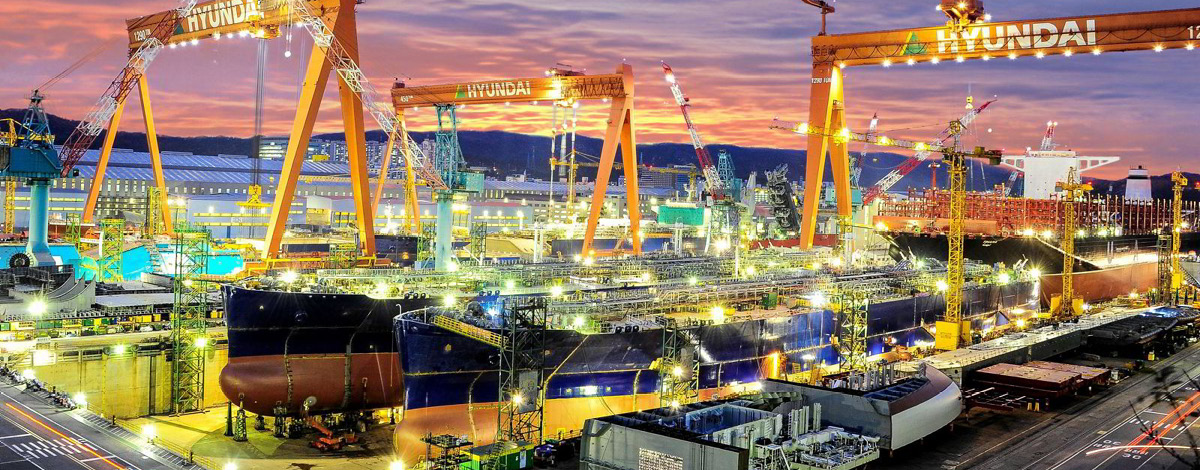
Source: Hyundai Heavy Industries

Last month, we visited Korea (South, not North) which remains in the “Emerging Markets” indices. We visited to conduct due diligence on existing and prospective holdings, attend a conference and meet with and learn from local asset managers who share the same approach to investing as us.

From the Miracle on the Han River to K-everything

From the ruins of the Korean War (1950 – 1953), Korea emerged to become the tenth largest economy in the world in 2005. Dubbed “the Miracle on the Han River,” Korea’s GDP grew from USD1.3 billion (GDP per capita of USD67) immediately after the war to over USD1.7 trillion (GDP per capita of over USD33,000) 70 years later in 2023. Continuous investment in technology and human capital has been a driving force behind the economic development. According to Organisation for Economic Co-operation and Development’s (OECD) latest publication on R&D spending as a percentage of GDP data, Korea (5.2%) ranked second only to Israel (6.0%) and higher than the United States (ranked third with 3.6%) in 2022.

First used to denote Korean pop culture (K-pop) and Korean drama (K-drama), the use of the “K- » prefix to introduce anything Korean to the outside world has spread to K-food (Korean BBQ, Buldak ramen), K-beauty (Beauty of Joseon, Anua, Cosrx), K-defense (K2 tank, K9 artillery), etc. What is interesting is that given the diversity of industries represented in the Korean Stock Exchange, these K-themes present potential investment opportunities. In this week’s commentary, we take a closer look at one of the themes that has been gaining traction among the local asset managers: K-shipbuilding.

Korea as a global shipbuilding powerhouse

Korea, China and Japan dominate the global shipbuilding scene, with combined market share of 91% in terms of Compensated Gross Tonnage (CGT) in 2023. China accounted for 51% and leads the world in dry bulks, tankers and containerships as the world’s largest importer of commodities. Korea, which came second with 26% share, has differentiated by prioritizing high-value ship orders (liquified natural gas carriers (LNG carriers), gas carriers and drill ships) given its cost disadvantage versus China. When we visited HD Hyundai Heavy Industries (329180 KS)’s shipyard in Ulsan – which is the largest shipyard in the world – we were able to see with our own eyes that of the ten fully occupied dry docks, six or seven of them had LNG carriers under construction. In 2022, the world saw an unprecedented number of orders for LNG carriers. One hundred and sixty-three LNG carriers were ordered in 2022, up 117% year-over-year and nearly five times the prior 20-year average of 34. Korean shipyards won orders for 121 LNG carriers or 74% of total.

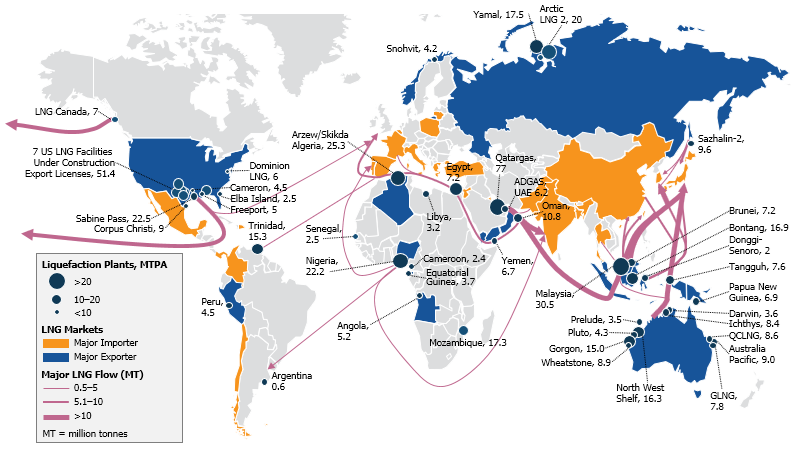
LNG is widely regarded as a “bridge fuel” to smooth the transition to net zero. Over the years, the United States has emerged as a major exporter of LNG, joining the ranks of the Middle East and Australia as top exporters of LNG. The demand for LNG is mostly found in Asia and Europe, sparking demand for LNG carriers that can transport the liquid across the seas.

GACM_COMM_2024-12-05_Chart01
Source: LNG export & import shipping routes. Incorrys, used with permission.

LNG is also increasingly being used to power ships (as dual fuel), and this is driven by the strengthening greenhouse gas (GHG) emission regulations in the maritime industry. On January 1, 2020, the International Maritime Organization’s rule (known as IMO 2020) to limit the sulphur content in the fuel oil used to power ships came into force. Last year, the IMO unanimously agreed to reach net-zero GHG emissions from international shipping by 2050. This year, the EU ETS (EU Emissions Trading System) introduced the first ever carbon tax for ships entering and exiting EU ports.

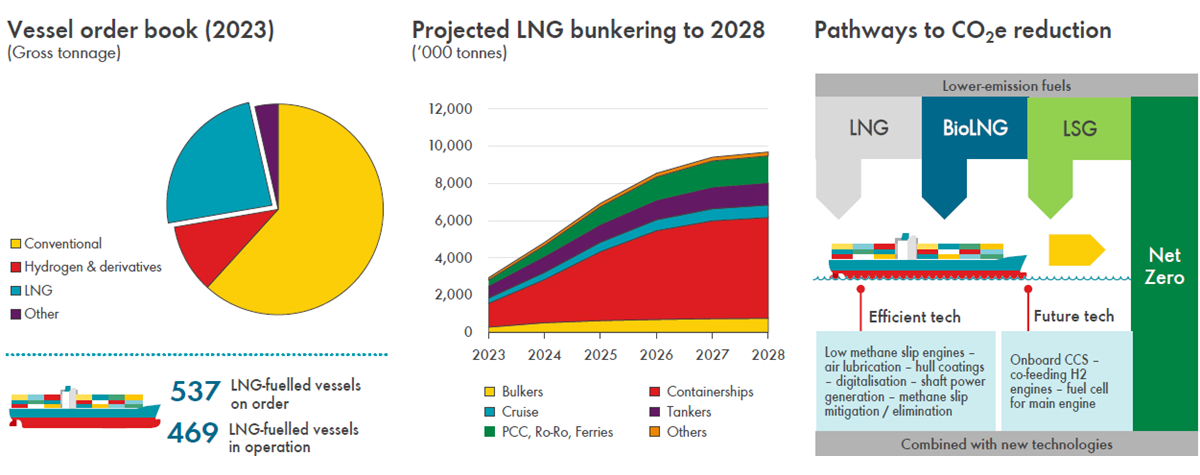
Against this backdrop of strengthening GHG emission regulations in vessels, Shell projects LNG bunkering to increase as more containerships are expected to run on LNG. We met with senior engineers from Samsung Heavy Industries (010140 KS) and HD Hyundai Mipo (010620 KS) during our trip and learned about how the regulations are driving the Korean shipyards to develop next generation ships powered by LNG, ammonia and liquified hydrogen. HD Hyundai Mipo expects LNG bunkering to remain the primary fuel choice until 2040, after which ammonia is expected to take over. Year to date, of the eight orders for LNG bunkering vessels, HD Hyundai Mipo alone won three.

GACM_COMM_2024-12-05_Chart02
Source: Shell interpretation of Clarksons Research, DNV. Shell LNG Outlook 2024.

Investment spotlight: Dongsung Finetec

Korean shipyards (including Hanwha Ocean (042660 KS) not mentioned above) offer investment opportunities to capitalize on this long-term trend of increasing demand for LNG and vessels powered by alternative energy sources. However, their market caps are either above our limit or closer to the limit offering limited upside. At Global Alpha, we study an industry’s supply/value chain to identify how and where else the value is captured in the ecosystem.

Dongsung Finetec (033500 KS) is a Korean manufacturer of Mark III (licensed from GTT) membrane type cargo containment system (CCS) that is used to store LNG. The company serves both the Korean and Chinese shipyards and is one of only two companies (duopoly with 50% market share) that manufactures the CCS in the Korean LNG carrier supply chain. The company also manufactures LNG fuel tanks for ships using LNG as dual fuel and for LNG bunkering vessels and is currently developing an ammonia fuel tank.

When we invested in the company in late October, its share price had not reflected the company’s order backlog – which amounted to over four times the company’s 2023 revenue on the back of record LNG carrier order wins by the Korean shipyards – or the increased production capacity to convert more of the backlog to revenue. Trading at the time at only mid to high single digit price to forward earnings and against the backdrop of structural growth in demand for its CCS and fuel tank, we knew we had found a mispriced opportunity.

GACM_COMM_2024-11-28_Banner

Global shareholder activism reached a record high in the first half of 2024, with 147 activist campaigns launched, driven by the United States and Japan. US activity rose 15% to 61 campaigns compared with the same period in 2023. Japan reported 38 campaigns versus 14 a year ago, almost triple.

Behind the substantial uptick in Japan are structural changes in the capital markets and a significant shift in Japan’s corporate governance culture.

In April 2022, Tokyo Stock Exchange restructured the stock market from four to three segments, namely Prime, Standard and Growth, based on liquidity, corporate governance and other criteria. Then, on March 31, 2023, it requested that all listed companies on the Prime and Standard Markets “take action to implement management that is conscious of cost of capital and stock price.” The key focus is to increase capital efficiency of companies, especially those with a price-to-book ratio (PBR) of less than 1.0.

As of October 31, 2024, 88% of Prime Market listed companies (1452) and 47% of Standard Market listed companies (742) have disclosed initiatives or status. Regarding companies with market capitalization of JPY 100 billion or more and with PBR below 1.0, 98% have made the disclosure.

However, disclosure is one thing and improvement is another. As of September 30, 2024, about 38% of TOPIX 500 companies were still trading below book value. Return on equity of Japanese listed companies is expected to be around 8.6% for the fiscal year ending March 2025, well below the United States at 20% and Europe at 14%.

The good news is that almost half of these companies are cash-rich. Below is a comparison between the median of the largest 500 listed companies in the United States and Japan.

% of Companies with Net Cash Interest Expense / EBIT
  2000 2010 2024   2000 2010 2024
US 29.4% 31.2% 22.4% US 16.1% 14.8% 12.9%
Japan 26.8% 44.6% 47.6% Japan 20.5% 8.4% 3.4%

Source: Compustat. As of April 1, 2024

A solid balance sheet facilitates measures to increase shareholder return and unlock value. The following progress in various aspects is encouraging.

  • Dividend increase
    According to Nikkei, about 40% of companies plan to increase their dividends for the fiscal year ending March 2025. Total dividends are expected to reach a record high for the fourth consecutive year at approximately 18 trillion yen, up 8% from the previous year, and up 50% from five years ago.
  • Share buybacks
    From April to September 2024, 649 listed companies in Japan set aside 10.65 trillion yen to buy back shares, which is almost a double from a year ago. Some of these companies have low PBR, but many with high PBR also bought back shares to improve capital efficiency.

Number of MBOs and transaction value
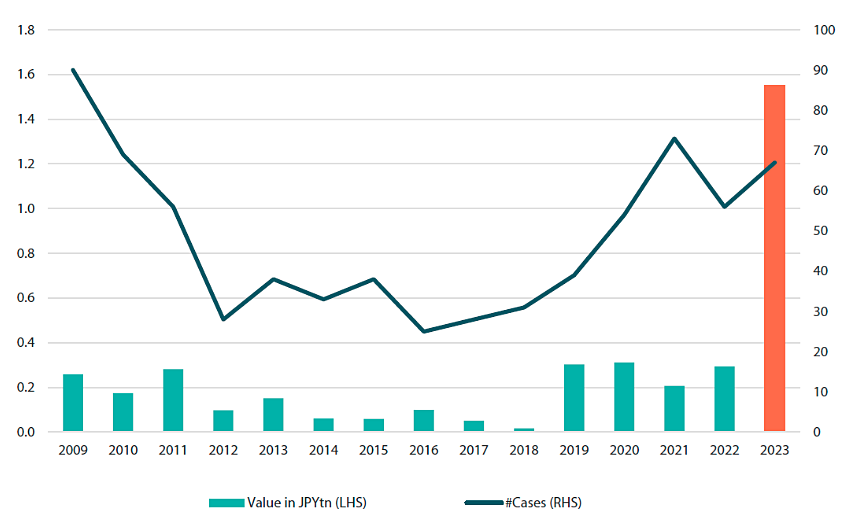
A combined line and bar graph showing the numbers of management buyouts in Japan and the transactional value.
Source: Bloomberg as of December 2023


  • Divestment of non-core assets
    This is a popular tactic that activists in Japan are applying. It is estimated that in Japan, there is a huge gap of 22 trillion yen between real estate assets’ book value and market value. For example, companies such as Keisei Electric Railway, Tokyo Gas and Sapporo were all pushed by activists to sell some non-core real estate assets.

As the corporate culture in Japan is getting more investor-friendly, the line between shareholder activism and stewardship is getting increasingly blurred. Engaging in dialogues with management does not have to be hostile. At Global Alpha, we have been vocal at proxy voting and company meetings. In many cases, we voted against management in Japan due to board independence and board diversity, and suggested companies buy back shares, increase dividends and divest non-core assets. We are encouraged to see the progress in Japan and believe a greater emphasis on growth, profitability, sustainability and corporate governance will continue to benefit shareholders in the long term.

GACM_COMM_2024-11-21_Banner

Long-distance running is an endurance sport that offers lessons that resonate with investing. In Born to Run, Christopher McDougall illustrates how elite ultrarunners thrive through discipline, adaptability and a love for the journey. These traits align closely with successful investing, where endurance, process consistency and risk management are key. As Rick Mears, an American racecar driver, famously said: “In order to finish first, first you must finish.” This principle underscores the importance of survival in both running and investing, as staying in the race is a prerequisite for achieving long-term success.

Compounding endurance and wisdom

Unlike sprint running where youthful energy and explosiveness dominate, endurance running demonstrates that experience often wins over youth. Research by Pimentel et al. (2003) found that well-trained older runners (average age 61) perform as efficiently as much younger runners (average age 26), despite having lower overall aerobic capacity.

Similarly, in investing, knowledge compounds over time. Building and expanding one’s circle of competence is crucial. Each market cycle and every business studied enrich an investor’s knowledge library, deepening expertise and sharpening judgment. In both running and investing, there’s wisdom in pacing. As the saying goes, “to go faster, you need to slow down.” Long-distance runners balance high- and low-intensity sessions to build endurance gradually, much like disciplined investors adhere to a sound strategy and steady capital allocation to achieve long-term success. Small, consistent efforts, whether in running or investing, compound over time to deliver meaningful outcomes.

Staying in the race

Runners know that pushing too hard early in the race often leads to injury or burnout. When dealing with investments, aggressive risk-taking can lead to permanent loss of capital, a risk that prominent investors, including Warren Buffett and Howard Marks, frequently caution against. A focus on capital preservation ensures that investors remain in the race long enough to benefit from compounding returns, much like runners who pace themselves to reach the finish line strong.

Mental toughness and adaptability

Long-distance running is as much a mental challenge as a physical one. Runners frequently encounter unexpected obstacles such as tough weather, grueling terrain or moments of self-doubt. Success comes from adaptability and mental resilience, staying focused on the goal despite temporary setbacks. Challenges like these arise in investing during periods of market volatility and uncertainty. Fear and greed often drive extreme behaviour of Mr. Market, but those who remain adaptable and focused on long-term objectives are better equipped to navigate through the storm.

Humility and ego management

Runners quickly learn that the course has a way of humbling even the most confident athletes. Whether it’s underestimating a hill or pushing too hard on a hot day, overconfidence can lead to setbacks. Respecting the journey and staying humble is key to consistent performance. As with running, overconfidence when investing can be costly. Successful investors recognize the limits of their circle of competence, acknowledging mistakes and making necessary adjustments to achieve superior outcomes.

Recovery and rebalancing

Hydration and nutrition during the race are critical, but equally important is post-run recovery to avoid injury and maintain peak condition. Periodic system checks – evaluating whether there’s any discomfort, signs of dehydration or creeping fatigue – are part of a successful runner’s routine. Attribution analysis, risk reassessment, and rebalancing serve a similar purpose in investing. They ensure that portfolios remain aligned with long-term goals and avoid overexposure to excessive or unintended risk.

Embracing and trusting the process

Experienced runners often speak of finding joy in the act of running itself, rather than focusing solely on finishing times. The Tarahumara people, as McDougall describes, run for the love of it, finding fulfillment in the process. This philosophy resonates in investing, where the process is deeply rewarding. However, focusing on the process serves a higher purpose: delivering superior value. Even the best strategies will face periods of underperformance. Endurance runners trust their training, knowing that results come over time. A well-crafted investment strategy is also like this in that it delivers superior value over the full cycle. The real risk lies in abandoning a sound strategy during temporary setbacks, which can lead to irreversible mistakes.

Both running and investing are endurance activities. Success comes to those who stay committed to their process, manage risks thoroughly and adapt to challenges. Beyond the parallels, there are also synergies between endurance running and investing. Running helps nurture and enhance one’s discipline, humility, patience and mental toughness. It also offers a unique mental space for reflection. The steady rhythm of a long run on a quiet sunny morning creates the perfect environment to think deeply about market developments or investment strategies. And finally, as Born to Run highlights, staying active is crucial to maintaining vitality: « We don’t stop running because we get older; we get older because we stop running. » It’s a reminder that endurance, whether in life or investing, is about staying engaged and embracing the journey.

GACM_COMM_2024-11-14_Banner

In recent years, tariffs have become a central component of US trade policy, impacting international relations and economies worldwide. The resurgence of tariffs, particularly those aimed at China and specific industries, reflects a strategic move to protect US industries and reduce its trade deficits.

A second round of tariffs under the next US administration could fuel inflationary pressures, affecting both US and international economies. A universal 10% tariff on imports, as proposed, would directly raise prices for consumers, making imported goods more expensive. This price increase could reduce domestic purchasing power and may lead to reciprocal tariffs from trading partners, further escalating costs and reducing trade flows. Additionally, these trade policies might destabilize global trade by disrupting established supply chains, potentially leading to short-term job creation in the US, but creating a long-term economic inefficiencies​.

At the time of Trump’s election in 2016, the US trade deficit in goods was close to 3.9% of GDP with nearly half coming from trade with China. Starting in 2018, tariffs were added to an increasingly wide range of Chinese products. The average tariff on imports from China was 3.1% in 2017. It was raised in waves, exceeding 20% by the end of 2019, before a deal was reached in which China committed to increase its purchases of American products. Tariffs were also imposed on specific products from other countries, such as steel.

Surprisingly, the goods trade deficit for 2023 remained close to 3.9% of GDP. Although the share attributable to China was reduced to 25%, imports from other countries like Vietnam, India, South Korea and Germany increased.

A potential revival in tariffs would be detrimental to certain industries. Asia and Germany’s automotive and machinery industries are particularly vulnerable due to their high dependence on US demand. Such tariffs would likely reduce Asian and German exports and might encourage companies to adjust their supply chains or relocate production to the US.

As a potential response, countries could retaliate on targeted goods or offer trade concessions to diffuse the tension. During the first Trump presidency, the EU agreed to lower their tariffs on some US products and made concessions on the import of beef and soybeans. The EU may again offer to import more goods from the US such as armaments, liquified natural gas (LNG) and agricultural products. We believe that offering trade concessions and reaching bilateral trade agreements would be more favourable than imposing blanket tariffs on a large selection of goods.

In summary, enhanced tariffs could lead to increased consumer prices, hurt international relations, and potentially shift production and trade in the most vulnerable industries. These economic shifts would challenge the international economies, especially if retaliatory actions escalate to a trade conflict.