This week, Global Alpha is taking a look at one of the more remarkable consequences of the COVID-19 pandemic – the impact on the pet industry. Pets4Homes, the United Kingdom’s (UK) leading free pet classifieds and information site, produced a report on the UK pet trade. At the peak of the first lockdown last May, demand for puppies more than doubled. This is unsurprising given that 94% of pet owners said having the companion animal helped their mental health. Further, 86% said owning a pet improved their mental health, and 84% said having a pet made them less lonely. It is likely that prospective owners wanted to experience the benefits of owning a pet as well.

There were 420 prospective buyers for each puppy offered for sale in the Pets4Homes classifieds, and the average price of puppies for sale in 2020 was £1,875, an increase of 131% from the prior year. And we thought the residential housing market was hot! The demand for cats and kittens also rose during the pandemic, but the average price increased a more moderate 42% from 2019. However, this price dynamic also resulted in more unsavory aspects – the rise of online scams and thefts. Dog thefts increased 170% in the UK compared to 2019.

The supply and demand disconnect has eased somewhat since the peak in May 2020. Increased activity from breeders has helped the supply side of the equation, while gradually easing lockdowns and increased pet ownership has helped slow demand. COVID-19 has undoubtedly given a positive tailwind to a market that was already undergoing structural growth. In 2020, the population of cats and dogs reach 21 million, an increase of 1.4 million from 2017, which in turn increased the estimated market size to £7 billion. The trend of humanizing pets can be seen in the increase in average spending. Dog owners, for example, spend £80 a month on medical treatment, food and insurance. Also, 59% of dogs have some form of insurance, while cats sit slightly lower at 41%.

CVS Group (CVSG:LN), a core holding in the Global Alpha portfolios, is a leading vertically integrated vet services provider in the UK. As well as a large UK presence, CVS Group also operates practices in the Republic of Ireland and the Netherlands. The integrated nature of the business allows CVS group to provide services throughout the life cycle of a pet. The typical life expectancy of a dog is 12 years, while for a cat the life expectancy is between 14 and 17 years. This translates into a lifetime cost of pet ownership for a dog of £16,800, while for a cat, it is estimated at £8,800[1]. CVS Group offers first opinion practices, laboratory tests, specialist referral interventions, online food sales via Animed Direct, and compassionate end of life care and cremation services.

Consolidation of UK veterinary practices has been a significant feature of the market, yet the market is still fragmented. CVS Group is the second largest player by number of premises with over 450 in the UK. IVC Evidensia, a private company is Europe’s largest veterinary care provider, operating over 800 premises in the UK. CVS Group has completed eight acquisitions thus far in the financial year, which ends in June. The focus continues to be on small animals and the company states that the pipeline of acquisition opportunities is strengthening. With a strong balance sheet, CVS Group possesses the funds to continue this strategy.

Despite the strong share price performance over the past two years, valuation for CVS remains reasonable. According to Bloomberg, CVS Group is trading at 16.2 times 2021 EV/EBITDA. Meanwhile, according to press reports, a new round of financing for IVC Evidensia values the company at over €12 billion and at almost 30x forward EBITDA.

In a recent trading update, CVS Group continued to exhibit strong growth, driven by the core practices business, but also supplemented by very high growth from the online Animed Direct division. Vacancy rates for veterinary surgeons, the largest determinant of profitability, remain stable, meaning excellent growth at this level also. Around 40% of active small animal customers (430,000 customers), are signed up to the Healthy Pet Club. This service offers discounted products and services for a monthly fee.

To conclude, a rising number of pets, the continued humanization of companion animals and the increased value placed on their care, advancements in treatment and resulting in an extended average life, make the long-term dynamics of the pet market very appealing and Global Alpha continues to see CVS Group as well positioned to benefit.


[1] Pet Care – A Dog is For Life Charles Hall (Peel Hunt), March 22, 2021
Global automobile sales decreased by 15% in 2020, amid the ongoing COVID-19 pandemic. Meanwhile, sales of battery electric vehicles (BEVs) and plug-in hybrid electric vehicles (PHEVs) were more resilient to the crisis, growing by 43% to more than 3 million. The global market share of BEVs and PHEVs increased from 2.5% in 2019 to 4.2% in 2020, and is expected to reach 38% by 2030. The growth is attributed to tightening emission regulations, favourable government incentives, improved technology, and better affordability. Europe and China have been leading the way in EV adoption, each accounting for over 40% of global EV shipments in 2020. Germany is now the second largest market after China, with 394,943 units sold in 2020.

Tesla was the best-selling brand in 2020, delivering half a million units, up roughly a third from its 2019 results. German carmaker Volkswagen Group (VW) is still trailing Tesla for EV sales, but the gap is closing fast. VW delivered 231,600 BEVs in 2020, tripling its deliveries in 2019, and is expected to surpass Tesla to be the biggest EV maker by 2025, if not sooner. In fact, VW has already become the number one EV maker in Europe in 2020. On its first Power Day held in mid-March 2021, VW laid out its plan to expand its e-mobility business by 2030, including building six gigafactories in Europe, using unified cell technology to lower battery costs by 30-50%, and expanding its global fast-charging network. The company targets 70% of all the cars sold by VW Group to be pure electric by 2030. Many other traditional carmakers have similar targets. BMW, for example, projects that fully electric models will account for at least 50% of their global deliveries by 2030; Renault-Nissan-Mitsubishi expects half of its EU launches will be pure-electric by 2025; Honda aims for 100% of its EU auto sales to be electric by 2025. It is estimated that the number of EVs sold will rise to 30 million in 2028, and EVs will represent nearly half of all passenger cars sold globally by 2030.

Increasing adoption of EVs also means growing demand for metals. The demand for copper, for example, is expected to increase tenfold between 2019 and 2030. Copper is used throughout electric vehicles and in charging stations and supporting infrastructure, due to the metal’s durability, high conductivity and efficiency. On average, an internal combustion engine (ICE) car contains 23kg of copper. Conversely, a BEV takes around 83kg of copper, about three times more. On top of this, several other secular trends are also driving demand for copper, including the increased consumer use of electronics and clean energy transition. In fact, copper is used in nearly all green technologies, particularly solar PV, wind, and energy storage. Fitch Solutions forecasts a shortfall of 489,000 tons of copper in 2024, and a shortfall of 510,000 tons in 2027. Recycling is an important part of the solution to meet future copper demand, as copper can be recycled as often as desired without a loss of quality. Currently, around 35% of global copper use comes from recycled copper, and this rate is expected to go higher.

Aurubis AG, one of the companies we own in our portfolios, is the largest copper producer in Europe, the second largest in the world, and one of the largest copper recyclers worldwide. The company produces over 1 million tons of copper cathodes annually, and they produce copper cathodes with a roughly 40% smaller CO₂ footprint than the global average for copper smelters. This is due to their high level of recycling and more efficient production methods.

Price, range, charge time, and charging infrastructure are among the main challenges to mainstream EV adoption. Enhancements to battery technology is the key to reducing the cost and improving EV’s performance. Gentherm Inc., a global leader of thermal management technologies and a holding of Global Alpha, provides a battery thermal management system. The system improves the performance of the battery packs in hybrid electric vehicles by heating the battery during cold conditions and cooling it during warm conditions, which increases the life of a battery pack. They also have a cell connecting system to provide a reliable and continuous flow of temperature and cell voltage information during the charging and discharging process, ensuring performance and safety. Horiba Ltd., another company we own in the portfolios, provides analytics and measurement equipment. While Horiba’s mainstay business is its automotive emission testing system, they also provide test and diagnostic systems for fuel cells and batteries through its subsidiary — Horiba FuelCon. The demand for fuel cells and battery testing was very strong and Horiba FuelCon tripled its production capacity in 2020. On the other hand, the demand for emission testing will not disappear any time soon, given tightening emission regulations, and the fact that emission testing is still needed for hybrid electric vehicles.  

The increasing charging demand will put significant pressure on the aging grid, especially during peak charging hours. The smart grid is the key to support this demand. With a smart grid, utilities can predict and manage EV charging. It also enables utilities to provide consumers with greater insights into their EV experience, including better understanding the cost of charging, and helping users set optimal charging preferences. Landis+Gyr Group, a holding we talked about in the weekly commentary on May 22, 2020, is a leading global provider of smart meters and smart grid solutions. Although there are delays with regulatory project approvals and installations of smart meters due to COVID-19, the mid- to long-term growth prospect remains intact. In addition to providing smart meters, Landis is making active investment in software development to add more higher-margin and less volatile revenue streams. In December 2020, Landis signed a partnership with Google Cloud to innovate the next generation cloud-based energy management solutions, which is the first partnership of this kind for the energy management industry. With a solid balance sheet, Landis is in a good position to make investments and benefit from the global megatrend.

From the onset of the COVID-19 pandemic in 2020, questions were raised about the feasibility of hosting events, such as the Tokyo Summer Olympics, which were expected to be one of the more notable economic casualties. In what marked a year of many firsts, the International Olympic Committee (IOC) made the unprecedented decision to postpone the event to 2021, instead of cancelling it. Why is that? An easy answer would be that the only other times this decision had to be made, during World Wars I and II, decision-makers did not know how long the Olympics would have to be postponed, making it an easier choice to cancel the games altogether.

A more thorough look at the economics of Olympic events provides a more complex answer. It is well known that hosting the Olympics is a costly endeavor, and has become more so over the years as the number of participating countries and number of sports have increased significantly. Since 2000, the average cost of hosting the summer Olympics has been upward of US$5 billion in infrastructure investments and operational costs. Further, the benefits of hosting the event are heavily debated, with many arguing that there is no net benefit, even when accounting for indirect gains from tourism and other variables. As such, following the US$45 billion Beijing games in 2008 and the US$20 billion Rio de Janeiro games, many cities voiced their skepticism and withdrew their candidacy for the 2022, 2024 and 2028 games. The wave of withdrawals forced the IOC to assign the 2024 and 2028 Olympics to Paris and Los Angeles as early as 2017, as they were the only remaining viable options.

With that in mind, it is not hard to imagine why the IOC would be wary of not giving Tokyo the opportunity to recoup some of its costs after almost a decade of preparation and a well-known failed bid for the 2016 Summer Olympics and Paralympics that cost the city US$150 million. Indeed, the Olympic Committee has strict infrastructure requirements for hosting the summer games, which is usually much bigger in scope than the winter games. For example, the committee requires the host city to have a minimum of 40,000 available hotel rooms, in addition to other transportation requirements, such as airport capacity and train lines.

One of the more direct ways for host cities and the IOC to recoup their costs is through sponsorship programs. The highest level of partnership is through the Olympic Partner Programme, which grants category-exclusive marketing rights to the Summer, Winter and Youth Olympic Games to a select group of global companies and is used to fund IOC activities and costs. Created in 1985, the Olympic Partner Programme provides the IOC with a range of support, such as technology, staff deployment, marketing, essential services to athletes, and broadcasting experience.

Under the Olympic Partner Programme there are three categories of local sponsorships to support the staging of a specific Olympic event. The local sponsorship programme for the Tokyo Olympics is comprised primarily of Japanese companies that stand to enhance the image of the events. Unlike other sporting events, no commercial advertising is allowed at the venue under the Committee’s clean venue policy. Instead, the sponsors obtain various levels of rights to use Olympic and Paralympic designations and imagery, such as the logo, as well as to the right to supply their products and services to athletes and spectators.

Global Alpha owns shares in a company that is directly involved in the local sponsorship programme for the Tokyo Olympics: ASICS. ASICS is a renowned manufacturer of sports shoes, sportswear and sports equipment that sponsors many Olympic athletes around the world involved in activities such as tennis, running, wrestling and more. Headquartered in Japan, the company was created in 1949 under the name of Onitsuka Tiger. The modern name ASICS is derived from the Latin proverb “Anima Sana In Corpore Sano,” which means a “sound mind in a sound body,” and the company has remained committed to this philosophy to this day.

In 2015, the 2020 Tokyo Olympic Committee announced that ASICS was selected as a gold partner of the Tokyo 2020 Olympics, the highest local sponsorship level, and that it would be supplying the uniforms for the Japanese teams and volunteers. Under the IOC product-category exclusivity policy, ASICS is the only company allowed to advertise under the sporting goods section, often thought to be one of the more lucrative sections. We expect the company to hold up well to the scrutiny stemming from the exposure.

Strength

  • Solid brand recognition
  • Strong expertise in biomechanics and material science, reflected in their shoes’ quality
  • Outstanding ESG profile

Weakness

  • Lagging in fashionable sports shoes and sportswear

Opportunities

  • Growing worldwide interest in healthy activities, especially performance running
  • China embracing performance running, as reflected in the number of marathon events rising rapidly

Threats

  • Competition within the industry
  • Rising costs of raw material and labor

While the company is not allowed to disclose the cost of the sponsorship, it expects to spend a total of $US128.5 million on event-related expenses. Unlike some of the experiences of past host cities, there is good reason to believe that Asics will be able to make a profit from its investment, and that the event will provide a good tailwind for the company over the next few years.

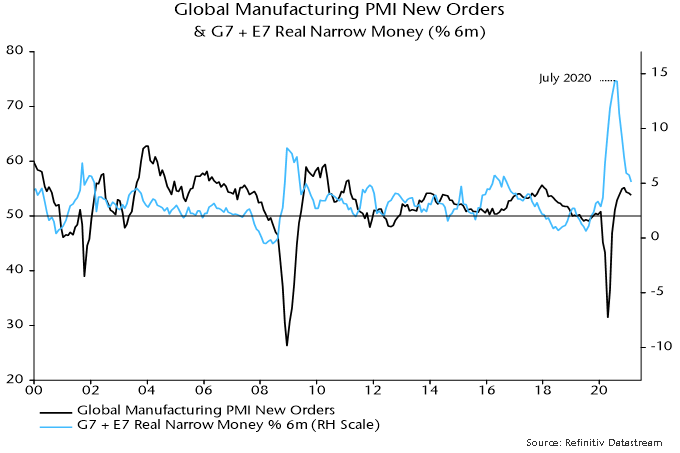
Global six-month real narrow money growth is estimated to have fallen further in February, based on monetary data covering 70% of the G7 plus E7 aggregate calculated here. The decline from a July 2020 peak suggests a slowdown in industrial momentum extending through Q3 2021.

Turning points in six-month real narrow money growth have led turning points in the global manufacturing PMI new orders index by 6-7 months on average historically. The July money growth peak, therefore, suggested a new orders peak in January-February. The current high point of the orders index is November 2020 but this may have been surpassed in March. These are details: the key point is that the index appears to be reaching a peak on schedule, with money trends suggesting a significant relapse by end-Q3.

Chart 1

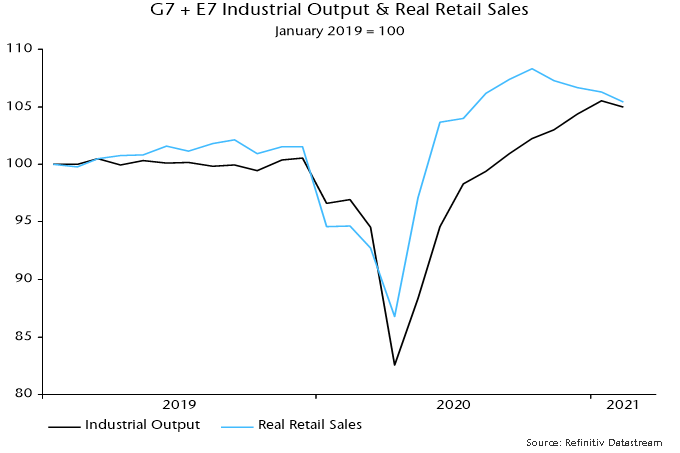
Cooler consumer goods demand is consistent with a coming industrial slowdown. Global retail sales fell between October and January, with early data suggesting another decline in February – chart 2.

Chart 2

Industrial output growth appears to have been sustained by a continued recovery in investment goods demand and – probably more importantly – a rebuilding of depleted inventories. Restocking, however, will have been accelerated by softer consumer goods demand and the associated output boost may be peaking.

A key point, often neglected, is that the level of industrial output is related to the rate of change of inventories. These are probably still lower than desired and restocking should continue. A slowdown in the rate of increase, however, is sufficient to exert a negative impact on the level of output.

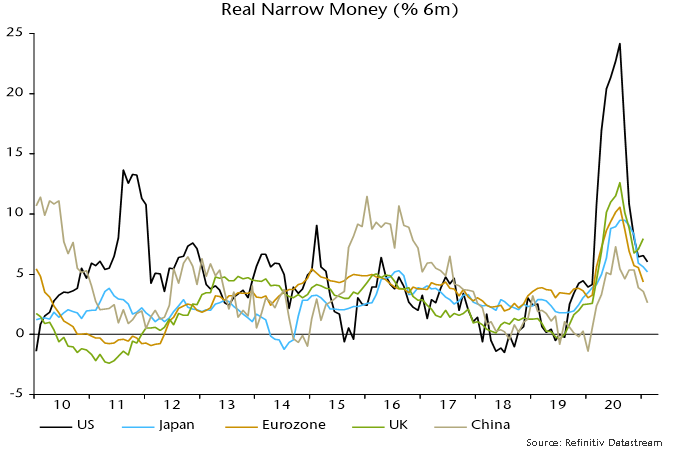
A normalisation of US six-month real narrow money growth has been a key driver of the slowdown in the global measure, although smaller declines have occurred elsewhere – chart 3. US money growth should rebound strongly in March / April as the Treasury transfers cash to households from its account at the Fed (i.e. helicopter money).

Chart 3

A US rebound could drive a pick-up in global six-month real narrow money growth, signalling industrial reacceleration in late 2021 / H1 2022. This isn’t guaranteed, however: a further inflation rise will drag on real money growth near term, while nominal money trends elsewhere may continue to cool.

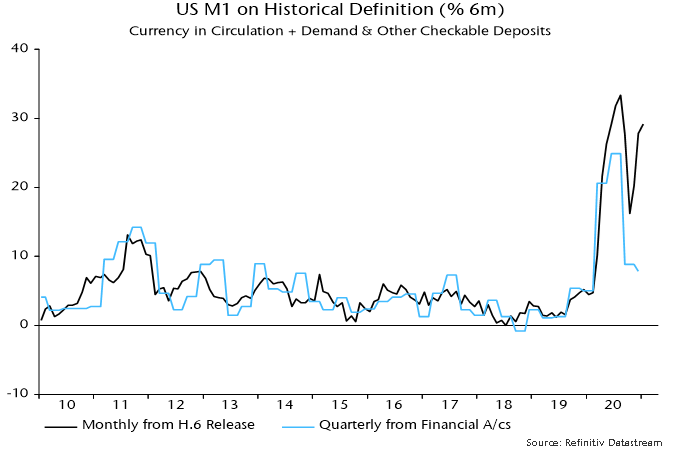
Analysis of US narrow money trends has been complicated by banks reclassifying some savings accounts as transactions accounts following a Fed decision to lift restrictions on the former. This artificially boosted the old M1 measure in 2020, particularly later in the year, when its six-month growth rate rebounded strongly – chart 4. The numbers used here attempt to correct for this distortion but the suggestion of a significant slowdown was disputed by some readers.

The debate has now been resolved by the recently released Q4 financial accounts – these contain M1 flow data adjusted for reclassifications and other discontinuities. The fall in six-month growth of the break-adjusted M1 series during H2 2020 was similar to that of the corrected measure calculated here.

Chart 4

A global industrial slowdown in Q2 / Q3 may not be reflected in GDP data because of services reopening. The latter, indeed, could contribute to industrial softening as consumer demand switches back from goods to services. The judgement here is that industrial trends are a better guide to underlying economic momentum and a more important driver of markets, partly reflecting a stronger correlation with equity market earnings.

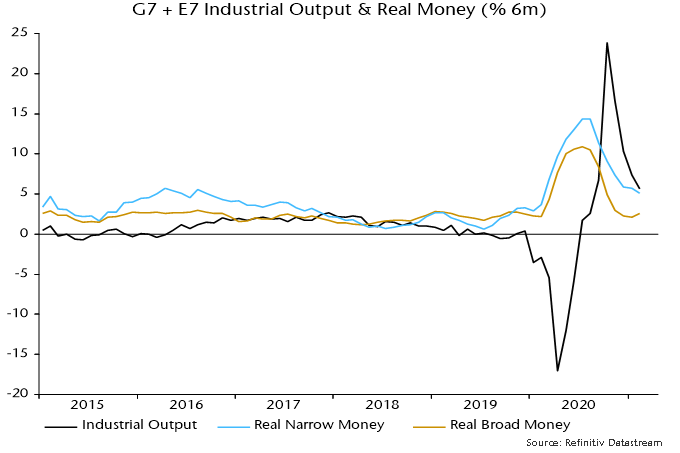
A simple rule for switching between global equities and US dollar cash discussed in previous posts holds cash when six-month growth of global real narrow money is below that of industrial output. A negative cross-over occurred in October 2020 and – allowing for data publication lags – resulted in the switching rule recommending a move to cash at end-2020.

Real money growth was below industrial output growth in January and early indications are that this remained the case in February – chart 5. The rule, therefore, will continue to recommend cash in April and, probably, May. The rule is currently about 4% offside since the end-December switch. Such a drawdown is not unusual and compares with a 32% gain when the rule was in equities between end-April and end-December 2020.

Chart 5

COVID-19 has led to a turbulent economy characterized by faster adoption of technology, increased environmental urgency and inflation from unprecedented stimulus. The widespread government support is resulting in inflation across many goods as economy rebounds quickly. Fortunately, the debt service ratio of consumers in the United States (US) is at a 40-year low, meaning they can probably handle rising prices for some time.

While certainly not linear, inflation is exacerbated by the unprecedented stop-and-start occurring across economic sectors, especially when comparing goods versus services. Demand is high for some products such as those related to home improvement, yet low for others like restaurant equipment. Demand for goods are presently outweighing demand for services in a major way. The imbalance is inflating prices notably through a supply chain shock that has significantly increased transport prices. The US Consumer Price Index is higher by 11% y/y at the goods level, while its service counterpart is down 5% y/y.

The rush for certain goods, such as personal electronics has created a global semiconductor chip shortage. As a result of increased demand, the personal computer sector grew by 10% in 2020, and surging demand in the fourth quarter reached 25.4%. The impact of this high demand was felt across the entire technology supply chain.

Why are automakers shutting down production?

Automakers spent $43 billion on microchips in 2019, representing 10% of global semiconductor sales. Chips are more critical to automakers than automakers are to chip manufacturers. In 2020, car manufacturers planned for a 35% drop in sales, but ended up with a drop of 8%, thus they quickly needed more chips to fill inventories. These emergency chip orders went to the back of the line behind larger electronics clients, which had better estimated their future needs during the crisis. The impact on 2021 production could mean 1.5% of new cars not being available, a material number that will certainly affect availability and pricing.

The average electric car features roughly 3,000 chips. Cars have become a laboratory for human machine interface, where manufacturers continue to innovate at a frantic pace. This will certainly continue to provide us with interesting investment opportunities. There are a number of emerging human interface trends that will change the way we use our cars, including:

  • Screens: A full-screen interior, with infotainment screens up to 48 inches wide on the dashboard.
  • Voice commands: As voice recognition technology evolves, so does its complexity, with functions from adjusting following distance in adaptive cruise control, to fully self-driving cars that don’t require physical steering, braking, or acceleration input.
  • Touch to movement: BMW is already using gesture control technology, where cameras “see” hand movements to perform in-vehicle functions. Taking it further, under development is technology to give the sensation of virtual touch response in the air using ultrasound.
  • Driver assistance: Rather than the constant go, stop, and steer motions a driver must perform, driver assistance commands are alleviating the need for attentiveness and active participation.
  • Virtual assistants: Based on emotional and physical demeanor, machine learning can predetermine the best outcomes for driving routes, temperature control, communication and musical preferences.

Global Alpha is exposed to the noted trends and futuristic electronics in the automotive sector. Gentherm (THRM:US) is the uncontested leader in thermal management with heated and cooling seat systems. Among new smart products, Gentherm is launching its ClimateSense system, featuring sensors that detect heat from each passenger and optimize the climate with exterior conditions throughout the car. The company expects to save up to 50 miles driven in electrical capacity.

Cerence (CRNC:US), a leader in speech integration and digital content delivery for the automotive industry, is launching Cerence Look, a new product enabling drivers and passengers to interact with points of interests outside the car, like a machine co-pilot. Mercedes-Benz is the first carmaker to launch this technology in its Travel Knowledge feature.

These trends confirm that carmakers will continue to increase their dependence on technology and semiconductor chips.

The chip shortage will subside but could signal an onshoring trend in semiconductor production. Taiwan-centric TSMC, the world’s largest semiconductor manufacturer, controls over 70% of the world’s chip production.

Industry players sensed the importance of strategic semiconductor assets, and 2020 was one of the highest years on record in terms of M&A activity. Global Alpha is participating in this phenomenon, as three different companies have publically disclosed their offer to acquire one of Global Alpha’s holdings, Coherent (COHR:US), a leading provider of laser-based technologies to the semiconductor industry.

The chip shortage crisis provided additional insights, including a supply quasi-monopoly by TSMC with its mega factory, heightened international trade tensions, and the erratic effects of an intense stimulus or expansive monetary policy. Historically, the situation is very similar to the 1970s oil crisis, without the geopolitical catastrophe. Interestingly, the semiconductor has become the new oil; the most critical component to every machine we use. Now, we just need to hope that lessons learned from the 1970s can help us handle higher levels of inflation.

Every day we deal with vast and rapidly growing amounts of data. Some of us might even feel like we are drowning in this deep ocean of messages, emails, spreadsheets, images, sounds, and videos. To make sense of it, various organizations employ diverse data analytics tools that help them gain insights and identify new opportunities. If acted upon appropriately, they can lead to improved decisions, better outcomes, and happier stakeholders. However, we should not neglect the risks associated with data and sophisticated technology. Hackers, criminals, and terrorists also leverage technology for their benefit, often at the expense of companies, citizens, and governments. To mitigate these risks, organizations worldwide need to stay ahead of them by processing their data and identifying actionable insights.

This is exactly what Cognyte Software, one of our portfolio companies, has been enabling its clients to do. Its security analytics tools help to fuse and analyze the data siloed across organizations, connecting the dots and providing critical information at the right time to prevent multiple threats before the damage is done. The environment is highly fluid, as well-funded and organized perpetrators relentlessly evolve their skills and methods to achieve their goals and avoid detection. Security organizations, in turn, cannot afford even a moment of complacency.

This brings to mind the Red Queen effect, in that organizations must adapt and evolve to survive. Cognyte turned that challenge into a big opportunity, recognizing the need for a scalable, open-analytics platform that provides real-time, actionable intelligence that can help find a needle in a haystack. Its cutting-edge solutions are driven by artificial intelligence, and are used by the most sophisticated security organizations across the globe. In one reported case, a European client’s investigative team leveraged Cognyte’s platform to prevent a radical group from driving a large vehicle into a crowd. More than 1,000 corporate and government clients in over 100 countries see Cognyte as their reliable partner to manage their security challenges and empower them to protect lives and assets and make the world safer.

Cognyte operated as a division of Verint Systems for more than two decades until a spin-off was completed in early February 2021. As a global leader in security analytics software, Cognyte empowers governments and enterprises with actionable intelligence to address a broad range of security challenges, including threats to national security, business continuity, and cybersecurity. The company has a strong track record of solving complex security challenges and unmatched domain experience. Over 400 government customers account for 80% of total revenue, while around 600 enterprise customers make up the other 20%.

Revenue mix

  • Software revenue (42%), including primarily term-based and perpetual licenses.
  • Software service revenue (45%), including support and cloud-based SaaS subscriptions.
  • Professional service and other revenue (13%), including installation and integration services, customer-specific development work, and others.

Target market

  • Cognyte estimates its total addressable market at $30 billion, evenly divided between government and enterprise sectors, with a steady growth rate of 10% per year1. Security challenges are becoming more complex, with rapidly growing data and the increasing adoption of open analytics tools by security organizations among the key industry tailwinds.
  • The market is highly fragmented. Despite being one of the leading players, Cognyte has a market share of 1.5%.
  • Some public peers include a point solutions vendor, FireEye, and big data analytics vendors, Palantir and IBM. Cognyte differentiates itself from competitors through a focused security analytics approach, deep domain expertise, and by creating a holistic view of data in delivering actionable insights. However, Cognyte primarily competes with organizations’ in-house capabilities. Governments and enterprises have traditionally approached their security challenges with homegrown solutions. In our view, these tools cannot keep up with the evolving threats, are costly to build, and complex to maintain. For this reason, we see a secular shift towards open-analytics platforms.

Growth strategy

  • Increase penetration of existing customers.
  • New client wins.
  • Developing partners to expand in enterprise vertical.
  • Bolt-on acquisitions.

Strengths

  • Cutting-edge security analytics and artificial intelligence (AI) technology. Broad portfolio addressing a wide range of security challenges.
  • Unparalleled security domain expertise and focus.
  • High revenue visibility. Large portion of recurring revenue (~50%), significant contribution from repeat customers (~90%) and a healthy backlog1.
  • Well-diversified client portfolio (across segments and regions).
  • High customer stickiness.
  • Strong balance sheet.
  • Seasoned management team with strong track record.

Opportunities

  • Margin expansion.
  • Fast and wide adoption of open analytics software.
  • Industry roll-up opportunities.

From 2018-2020, as a division of Verint Systems, Cognyte recorded strong financial results, with revenue and EBITDA compounded annual growth rate of 8% and 26%, respectively1. EBITDA margin saw a very impressive expansion of 500 basis points to 18% over the same period. As a standalone public company, Cognyte announced three-year financial targets of double-digit revenue growth and EBITDA margin expansion, driven by faster adoption of open analytics software and ongoing revenue mix improvement. Given the strength of the underlying business and vast opportunities ahead, we believe this trajectory could prove to be conservative.

In typical fashion, markets have reflected opposing sentiments – uncertainty and optimism. On the one hand, the worry associated with the pandemic and on the other, optimism fueled by a resurgence in activity and strong government support. Our portfolio management and asset allocation teams have been busy, first and foremost, protecting capital during the market decline and then shifting positioning to benefit from the recovery. As we look forward here are some areas of opportunity we see as we manage client capital through a challenging time. 

Revisiting equity exposure for a changing environment

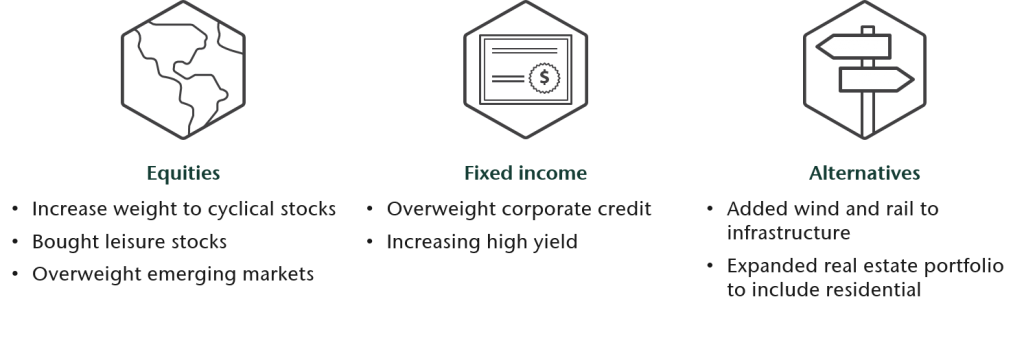
Some investors might conclude that mega-cap stocks in Canada and US are the only place to be. Companies like Shopify, Facebook, Amazon, Microsoft, Apple and Google had very strong returns and our portfolios benefited from owning them. However, the recovery in stocks has broadened beyond these names. For example, in late 2020 we saw a resurgence in companies that were hurt most from lockdowns. With new vaccines these companies got a new lease on life. Throughout the year our teams took profits by selling some of the mega-cap stocks and buying companies likely to benefit from a post-vaccine world. This includes buying leaders in the travel and leisure industry. This may be hard to imagine at this point of COVID fatigue, but remember markets are always looking forward.

Late last year investors also began to favour areas that are more cyclical like value stocks, small-cap and emerging markets. These areas of the market were laggards earlier last year and have now risen above the pack. We were positioned for this shift in leadership by having a strategic allocation to value stocks and tactically buying small-cap and emerging earlier in the year. Today we are overweight equities in client portfolios with a bias to global small-cap companies. We believe we will benefit from a strong earnings recovery as more businesses reopen and stimulus remains a strong tailwind. We have also continued to increase our weight in emerging markets companies and recently launched a frontier equities strategy. As we look longer-term we believe these asset classes will be important sources of return in portfolios. 

Bond investing in the wake of a pandemic

Our positioning in bond portfolios also reflects that the worst appears to be over. Yet we are not in the clear and safety is important in a bond portfolio. The challenge, however, is that the tradeoff for safety is low yields. Current yields remain lower than they were before the pandemic and central banks are inclined to keep them low. Our bond portfolios are positioned to improve yield by investing in high quality corporate and provincial bonds. We also believe that government stimulus will result in rising inflation expectations. This has led us to own real return bonds which will benefit from this trend. Finally, we have positioned the portfolio to benefit if the recovery stalls and bond yields fall. This is a prudent offset to other positioning and helps protect capital should the economic recovery falter. 

As we look to strike a balance between safety and income, we have also been adding to high yield bonds that carry a much higher yield. The focus here is on strong credit research to avoid companies that may not be resilient if economic recovery stalls. 

Fertile ground for alternatives

Private market alternatives have been an attractive addition to portfolios for some time. These assets can be generally characterized as having strong returns, coming mostly from income and relatively low volatility. This combined with added diversification makes private market alternatives appealing on a long-term basis. The tradeoff for accessing these characteristics is reduced liquidity and the time it takes to deploy capital into new assets. Recently, however, we have been able to put more client assets to work in these strategies. Within our infrastructure portfolio we completed the purchase of four operating wind assets and one construction-stage solar project in the US. These assets have strong expected returns and benefit from fixed price contracts for the energy produced. Not to mention this now brings our renewable power generation to 1.4 gigawatts, enough energy to power more than 320,000 homes.  

Within our direct real estate portfolio we have completed our first purchase in the residential apartment sector. Historically residential has generated more stable returns and income compared to other property types like retail and office. We expect our allocation to this property type will increase.

Our positioning

The bumpy road to long-term performance

Building wealth for the future requires discipline, thorough research and a process for managing risk. The opportunities that are most attractive today are assets that can benefit the most from the economic recovery. Yet we also need to recognize that the road to recovery from here will be bumpier than what we’ve experienced so far. To manage this risk we continue to be broadly diversified while tactically tilting the portfolio to the areas of the market with the greatest opportunity. 

This post is for information only and is not intended as investment advice. The views expressed are those of the author at the time of publication and are subject to change at any time.

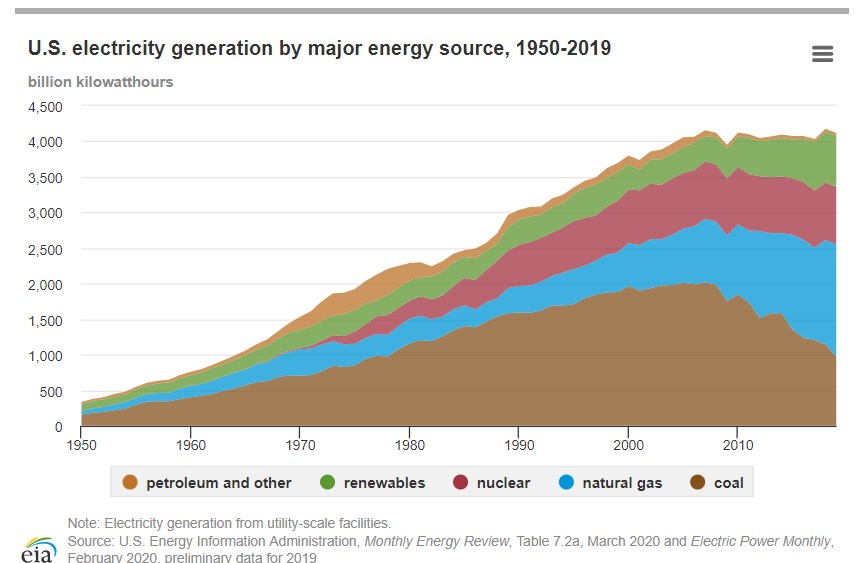
In the last week, record cold weather hit most of the United States (US), causing gas and power prices to spike across the country, from less than $3/btu to over $600. Texas regulators ordered rolling blackouts as the cold weather froze wind turbines, and snow and ice reduced solar energy production. Some experts were quick to blame renewable energy as the cause of these blackouts. Even if the growing use of wind and solar energy meant the grid may be less reliable, Texas still produces over 50% of its electricity from non-renewables, and that was also affected as gas was in short supply and water pipes froze. In this commentary, we will provide an update on the situation regarding renewable energies.

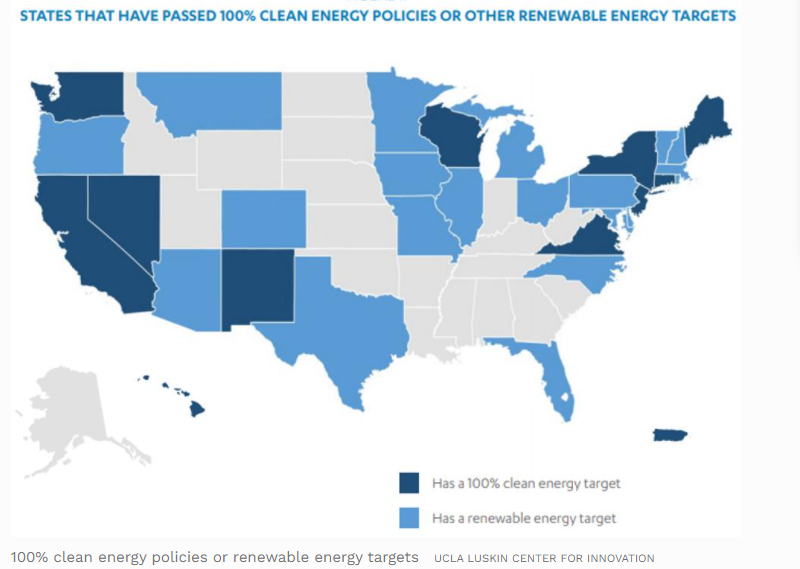
In 2020, more US states mandated renewable energy targets.

Source: UCLA Luskin Center for Innovation

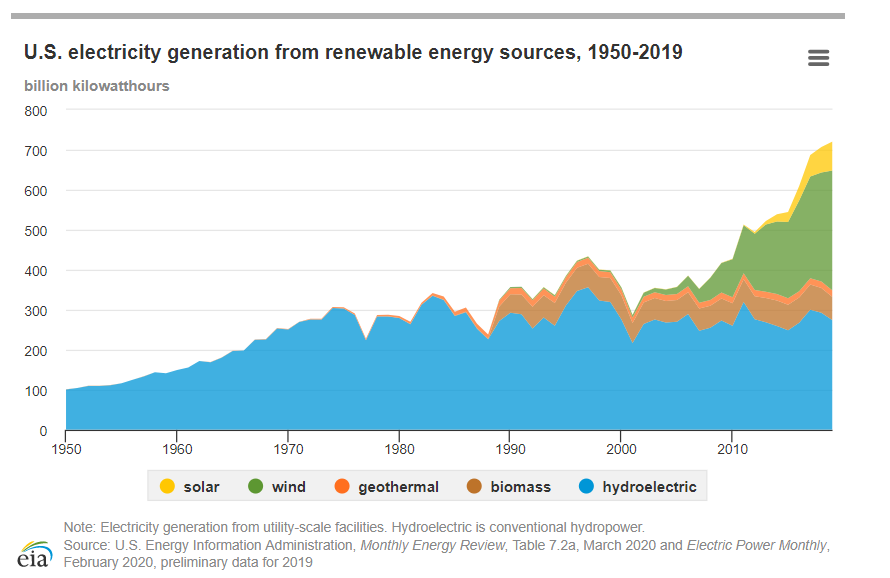
With or without these mandates, 2020 was another record year around the world for the growth of renewables. In the US, 78% of new electrical generating capacity commissioned was renewables, according to a review by the Federal Energy Regulatory Commission (FERC). Combined, it accounted for 22,451 megawatts (MW) or more than 78.09% of the 28,751 MW of new utility-scale capacity reported to have been added last year. Wind (13,626 MW or 47.4%) and solar (8,543 MW or 29.7%) each contributed more new generating capacity than natural gas (6,259 MW or 21.7%).  

Current capacity of renewables is now above 24% of total capacity in the US and should exceed 30% by 2025.

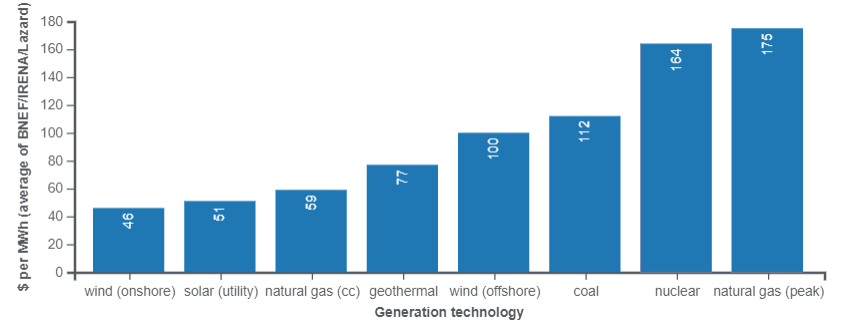
We often hear that renewables require subsidies to compete with oil and gas, coal and nuclear. Let’s take a look at the total cost and production cost of these various sources. The costs include capital costs, operations, maintenance, and de-commissioning and remediation. Recent major global studies of generation costs note that wind and solar power are the lowest-cost sources of electricity available today.

Sources: Lazard 2020, Bloomberg New Energy Finance (2020), International Renewable Energy Agency (IREA) 2020

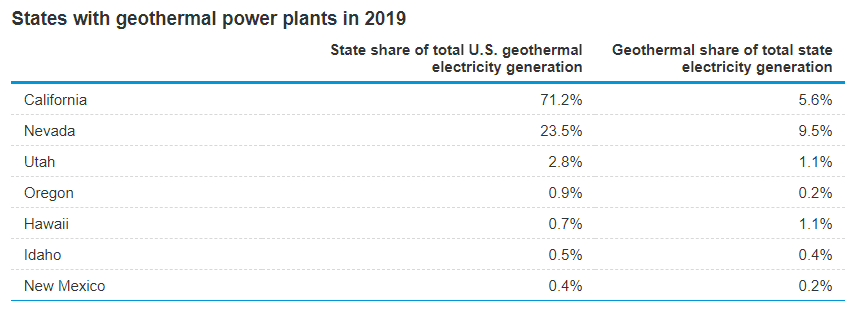
What about the reliability of wind and solar energies? If they could never represent 100% of generating capacity, what should the base load be? We can see in the above chart that geothermal energy is also attractive in terms of costs. It’s clean and renewable, and better yet, is available 24/7, meaning it could be a base load energy. However, in 2019, geothermal only represented 0.5% of US electricity generation. 

Source: US Department of Energy

There are signs that things could change. A report released in May 2019 by the Department of Energy suggested that US geothermal power capacity could increase by more than twenty-six times by 2050, reaching a total installed capacity of 60 GW, thanks to accelerated technological development and adoption. This is turn would greatly reduce costs. 

Since 2008, we’ve held Ormat Technologies in our portfolio, a world-leading geothermal energy company. Ormat Technologies (ORA US, ORA IT) was founded in Israel in 1965 to pursue its objective to further develop renewable energy. Active in the geothermal field since the early 1980s, the Integrated Two-Level Unit (ITLU) was a vital development in maximizing the thermodynamic efficiencies of lower-temperature resources. The patented ITLU design revolutionized the industry and, to this day, distinguishes Ormat from other companies. The company has been public since 2004, and has established its headquarters in Reno Nevada. Further, Ormat is an energy producer with 933 MW of production globally. Another important achievement is regarding the world’s largest single binary geothermal power plant – the Ngatamariki in New Zealand – that began its commercial operations in 2013.  Ormat provided the engineering, procurement and construction for the 100 MW geothermal project that delivers sustainable energy to power 80,000 homes annually.

In addition to its geothermal expertise, Ormat is now a leading player in the field of energy storage and management. Its solutions started from energy and demand response management, and energy storage systems. The company provides grid operators with the power to enhance grid performance, stability, and responsiveness, while delivering capacity at the right time and the right price. It also provides commercial, industrial and municipal clients with reliable and good quality power solutions, as well as peak shaving and demand charge management solutions to lower their utility bill and, in the unregulated markets, provide ancillary market services to generate revenue.

Coming back to Texas, last August, Lone Star Demand Response, LLC and Viridity Energy Solutions, Inc. signed a new five-year business-to-business agreement to continue the delivery of first-class demand response (DR) curtailment management services throughout times of high electricity demand. This will bring Lone Star Demand Response into a position to carry on with protecting the various generation and transmission systems from overloading during peak times and to fine-tune the demand to match the available supply. While Lone Star Demand is not part of the portfolio, Viridity is owned by Ormat.   

In short, geothermal and energy storage may be the solutions to increase the reliability of electricity production while keeping with the goal of increasing renewables and reducing the environmental impact.

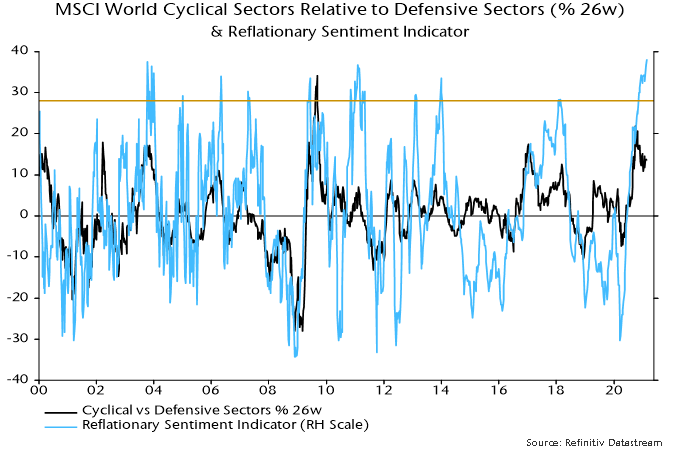
Reflationary sentiment in markets is extreme, suggesting that investors should be cautious about chasing cyclical assets and inflation hedges.

The chart updates the reflationary sentiment indicator calculated here by combining bullish sentiment data sourced from Consensus Inc. for various markets that have correlated (positively or negatively) with global economic momentum historically. This week’s reading is a record in data extending back to 2000.

The sentiment indicator, unsurprisingly, correlates positively with the relative performance of MSCI World cyclical equity market sectors* but extreme readings often signal a short-term turning point.

Indicator values above the 95th percentile of the distribution over 2000-19 (the horizontal line) were associated with an average decline of 6.6% in the ratio of cyclical to defensive sectors within the following six months (i.e. from the starting level to the low point over that period). The range was -1.5% to -13.3%.

The maximum rise within the six months following an extreme positive indicator reading averaged 1.6%. In 8 of the 37 weekly cases, the sentiment extreme marked the high point of the cyclical to defensive sectors relative.

The time to switch to a pro-cyclical investment strategy was March last year when the sentiment indicator was at an opposite extreme and money measures were surging, suggesting strong support for economies and markets.

Global six-month real narrow money growth peaked in July 2020 and appears to have fallen further in January – an update will be provided following the release of remaining January country data over coming days.

*Cyclical sectors (MSCI definition) = materials, industrials, consumer discretionary, financials, real estate, IT and communication services. Defensive sectors = energy, consumer staples, health care and utilities.