GACM_COMM_2024-12-05_Banner
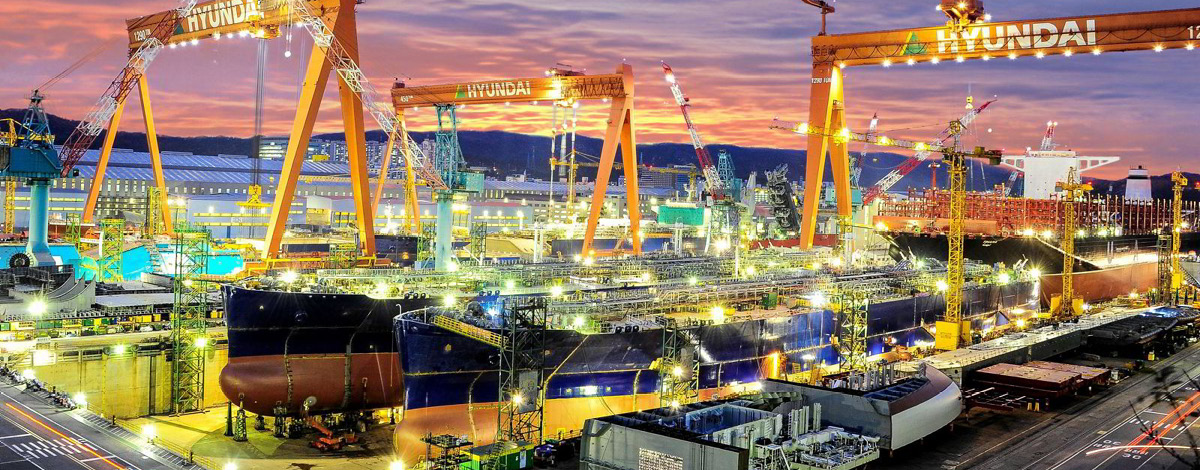
Source: Hyundai Heavy Industries

Last month, we visited Korea (South, not North) which remains in the “Emerging Markets” indices. We visited to conduct due diligence on existing and prospective holdings, attend a conference and meet with and learn from local asset managers who share the same approach to investing as us.

From the Miracle on the Han River to K-everything

From the ruins of the Korean War (1950 – 1953), Korea emerged to become the tenth largest economy in the world in 2005. Dubbed “the Miracle on the Han River,” Korea’s GDP grew from USD1.3 billion (GDP per capita of USD67) immediately after the war to over USD1.7 trillion (GDP per capita of over USD33,000) 70 years later in 2023. Continuous investment in technology and human capital has been a driving force behind the economic development. According to Organisation for Economic Co-operation and Development’s (OECD) latest publication on R&D spending as a percentage of GDP data, Korea (5.2%) ranked second only to Israel (6.0%) and higher than the United States (ranked third with 3.6%) in 2022.

First used to denote Korean pop culture (K-pop) and Korean drama (K-drama), the use of the “K-” prefix to introduce anything Korean to the outside world has spread to K-food (Korean BBQ, Buldak ramen), K-beauty (Beauty of Joseon, Anua, Cosrx), K-defense (K2 tank, K9 artillery), etc. What is interesting is that given the diversity of industries represented in the Korean Stock Exchange, these K-themes present potential investment opportunities. In this week’s commentary, we take a closer look at one of the themes that has been gaining traction among the local asset managers: K-shipbuilding.

Korea as a global shipbuilding powerhouse

Korea, China and Japan dominate the global shipbuilding scene, with combined market share of 91% in terms of Compensated Gross Tonnage (CGT) in 2023. China accounted for 51% and leads the world in dry bulks, tankers and containerships as the world’s largest importer of commodities. Korea, which came second with 26% share, has differentiated by prioritizing high-value ship orders (liquified natural gas carriers (LNG carriers), gas carriers and drill ships) given its cost disadvantage versus China. When we visited HD Hyundai Heavy Industries (329180 KS)’s shipyard in Ulsan – which is the largest shipyard in the world – we were able to see with our own eyes that of the ten fully occupied dry docks, six or seven of them had LNG carriers under construction. In 2022, the world saw an unprecedented number of orders for LNG carriers. One hundred and sixty-three LNG carriers were ordered in 2022, up 117% year-over-year and nearly five times the prior 20-year average of 34. Korean shipyards won orders for 121 LNG carriers or 74% of total.

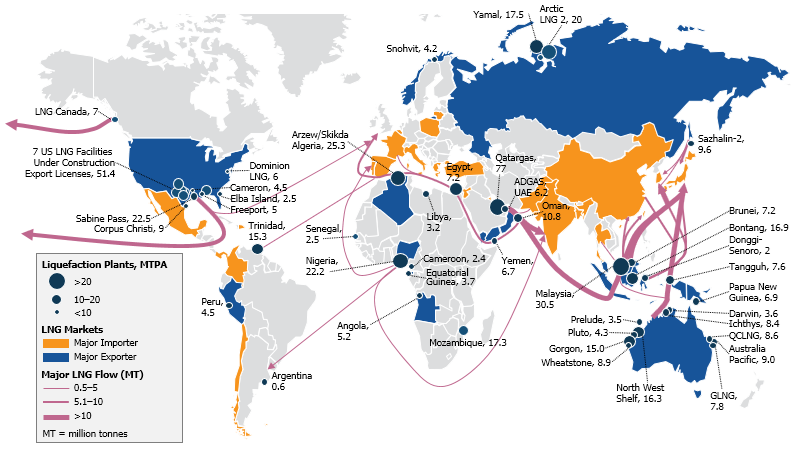
LNG is widely regarded as a “bridge fuel” to smooth the transition to net zero. Over the years, the United States has emerged as a major exporter of LNG, joining the ranks of the Middle East and Australia as top exporters of LNG. The demand for LNG is mostly found in Asia and Europe, sparking demand for LNG carriers that can transport the liquid across the seas.

GACM_COMM_2024-12-05_Chart01
Source: LNG export & import shipping routes. Incorrys, used with permission.

LNG is also increasingly being used to power ships (as dual fuel), and this is driven by the strengthening greenhouse gas (GHG) emission regulations in the maritime industry. On January 1, 2020, the International Maritime Organization’s rule (known as IMO 2020) to limit the sulphur content in the fuel oil used to power ships came into force. Last year, the IMO unanimously agreed to reach net-zero GHG emissions from international shipping by 2050. This year, the EU ETS (EU Emissions Trading System) introduced the first ever carbon tax for ships entering and exiting EU ports.

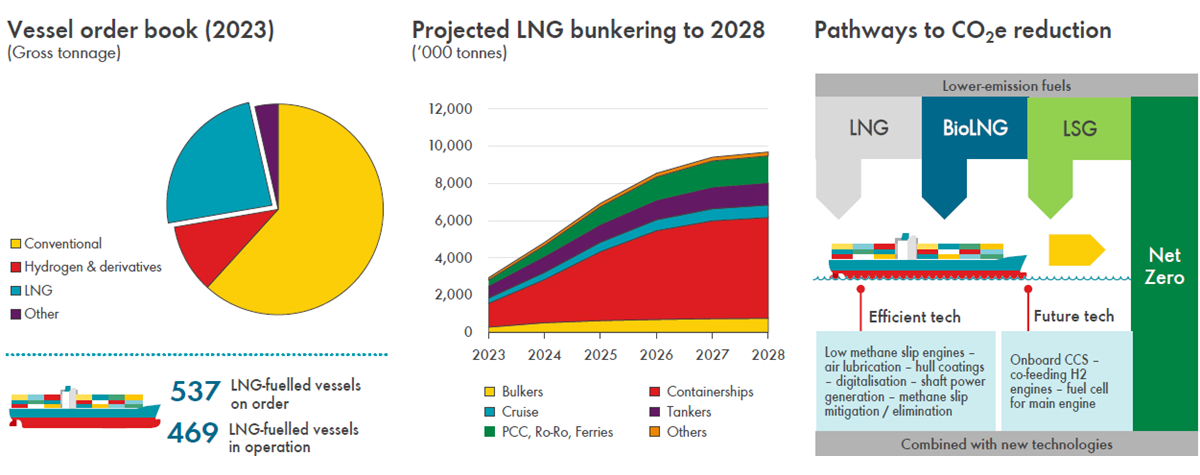
Against this backdrop of strengthening GHG emission regulations in vessels, Shell projects LNG bunkering to increase as more containerships are expected to run on LNG. We met with senior engineers from Samsung Heavy Industries (010140 KS) and HD Hyundai Mipo (010620 KS) during our trip and learned about how the regulations are driving the Korean shipyards to develop next generation ships powered by LNG, ammonia and liquified hydrogen. HD Hyundai Mipo expects LNG bunkering to remain the primary fuel choice until 2040, after which ammonia is expected to take over. Year to date, of the eight orders for LNG bunkering vessels, HD Hyundai Mipo alone won three.

GACM_COMM_2024-12-05_Chart02
Source: Shell interpretation of Clarksons Research, DNV. Shell LNG Outlook 2024.

Investment spotlight: Dongsung Finetec

Korean shipyards (including Hanwha Ocean (042660 KS) not mentioned above) offer investment opportunities to capitalize on this long-term trend of increasing demand for LNG and vessels powered by alternative energy sources. However, their market caps are either above our limit or closer to the limit offering limited upside. At Global Alpha, we study an industry’s supply/value chain to identify how and where else the value is captured in the ecosystem.

Dongsung Finetec (033500 KS) is a Korean manufacturer of Mark III (licensed from GTT) membrane type cargo containment system (CCS) that is used to store LNG. The company serves both the Korean and Chinese shipyards and is one of only two companies (duopoly with 50% market share) that manufactures the CCS in the Korean LNG carrier supply chain. The company also manufactures LNG fuel tanks for ships using LNG as dual fuel and for LNG bunkering vessels and is currently developing an ammonia fuel tank.

When we invested in the company in late October, its share price had not reflected the company’s order backlog – which amounted to over four times the company’s 2023 revenue on the back of record LNG carrier order wins by the Korean shipyards – or the increased production capacity to convert more of the backlog to revenue. Trading at the time at only mid to high single digit price to forward earnings and against the backdrop of structural growth in demand for its CCS and fuel tank, we knew we had found a mispriced opportunity.

A group of business people in discussions at a corporate office.

Global shareholder activism reached a record high in the first half of 2024, with 147 activist campaigns launched, driven by the United States and Japan. US activity rose 15% to 61 campaigns compared with the same period in 2023. Japan reported 38 campaigns versus 14 a year ago, almost triple.

Behind the substantial uptick in Japan are structural changes in the capital markets and a significant shift in Japan’s corporate governance culture.

In April 2022, Tokyo Stock Exchange restructured the stock market from four to three segments, namely Prime, Standard and Growth, based on liquidity, corporate governance and other criteria. Then, on March 31, 2023, it requested that all listed companies on the Prime and Standard Markets “take action to implement management that is conscious of cost of capital and stock price.” The key focus is to increase capital efficiency of companies, especially those with a price-to-book ratio (PBR) of less than 1.0.

As of October 31, 2024, 88% of Prime Market listed companies (1452) and 47% of Standard Market listed companies (742) have disclosed initiatives or status. Regarding companies with market capitalization of JPY 100 billion or more and with PBR below 1.0, 98% have made the disclosure.

However, disclosure is one thing and improvement is another. As of September 30, 2024, about 38% of TOPIX 500 companies were still trading below book value. Return on equity of Japanese listed companies is expected to be around 8.6% for the fiscal year ending March 2025, well below the United States at 20% and Europe at 14%.

The good news is that almost half of these companies are cash-rich. Below is a comparison between the median of the largest 500 listed companies in the United States and Japan.

% of Companies with Net Cash Interest Expense / EBIT
  2000 2010 2024   2000 2010 2024
US 29.4% 31.2% 22.4% US 16.1% 14.8% 12.9%
Japan 26.8% 44.6% 47.6% Japan 20.5% 8.4% 3.4%

Source: Compustat. As of April 1, 2024

A solid balance sheet facilitates measures to increase shareholder return and unlock value. The following progress in various aspects is encouraging.

  • Dividend increase
    According to Nikkei, about 40% of companies plan to increase their dividends for the fiscal year ending March 2025. Total dividends are expected to reach a record high for the fourth consecutive year at approximately 18 trillion yen, up 8% from the previous year, and up 50% from five years ago.
  • Share buybacks
    From April to September 2024, 649 listed companies in Japan set aside 10.65 trillion yen to buy back shares, which is almost a double from a year ago. Some of these companies have low PBR, but many with high PBR also bought back shares to improve capital efficiency.

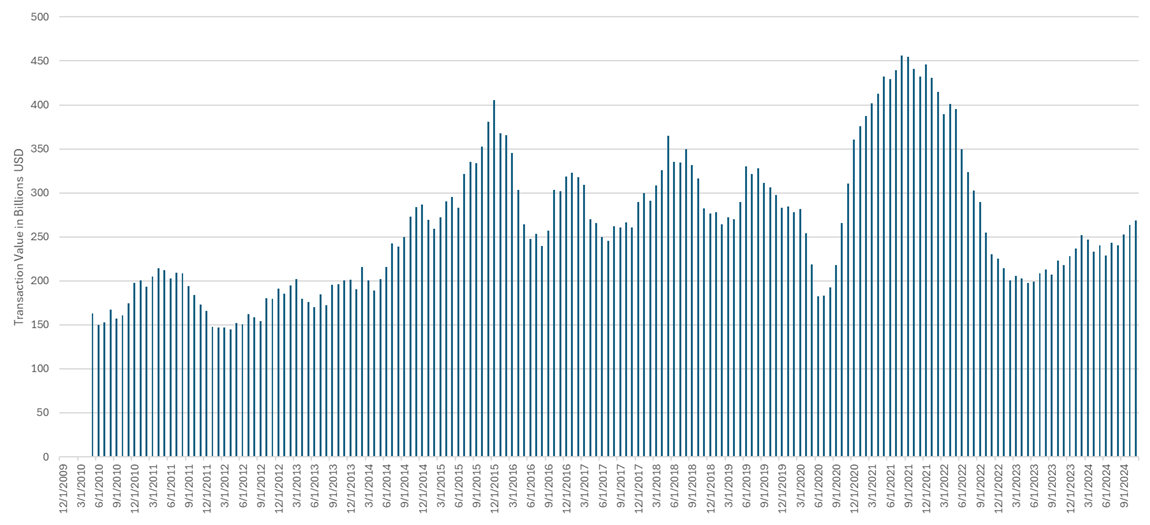
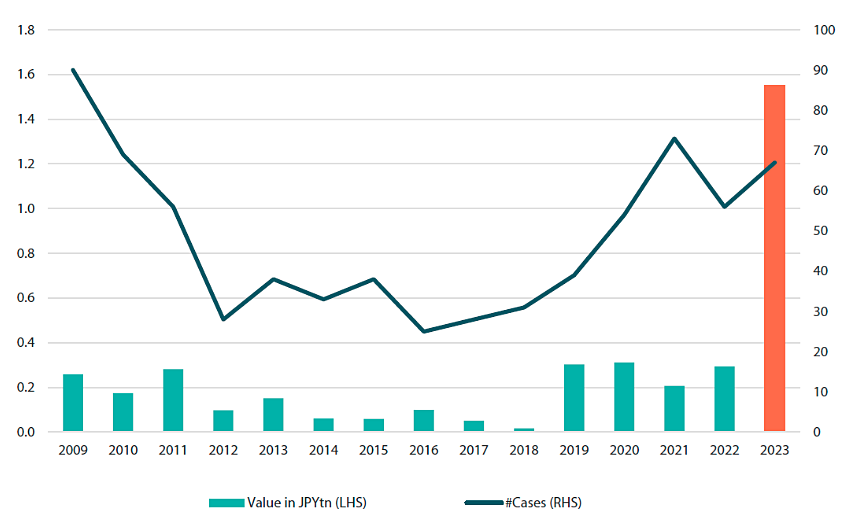
Number of MBOs and transaction value
A combined line and bar graph showing the numbers of management buyouts in Japan and the transactional value.
Source: Bloomberg as of December 2023


  • Divestment of non-core assets
    This is a popular tactic that activists in Japan are applying. It is estimated that in Japan, there is a huge gap of 22 trillion yen between real estate assets’ book value and market value. For example, companies such as Keisei Electric Railway, Tokyo Gas and Sapporo were all pushed by activists to sell some non-core real estate assets.

As the corporate culture in Japan is getting more investor-friendly, the line between shareholder activism and stewardship is getting increasingly blurred. Engaging in dialogues with management does not have to be hostile. At Global Alpha, we have been vocal at proxy voting and company meetings. In many cases, we voted against management in Japan due to board independence and board diversity, and suggested companies buy back shares, increase dividends and divest non-core assets. We are encouraged to see the progress in Japan and believe a greater emphasis on growth, profitability, sustainability and corporate governance will continue to benefit shareholders in the long term.

People running a marathon race on a city road, focusing on their running shoes.

Long-distance running is an endurance sport that offers lessons that resonate with investing. In Born to Run, Christopher McDougall illustrates how elite ultrarunners thrive through discipline, adaptability and a love for the journey. These traits align closely with successful investing, where endurance, process consistency and risk management are key. As Rick Mears, an American racecar driver, famously said: “In order to finish first, first you must finish.” This principle underscores the importance of survival in both running and investing, as staying in the race is a prerequisite for achieving long-term success.

Compounding endurance and wisdom

Unlike sprint running where youthful energy and explosiveness dominate, endurance running demonstrates that experience often wins over youth. Research by Pimentel et al. (2003) found that well-trained older runners (average age 61) perform as efficiently as much younger runners (average age 26), despite having lower overall aerobic capacity.

Similarly, in investing, knowledge compounds over time. Building and expanding one’s circle of competence is crucial. Each market cycle and every business studied enrich an investor’s knowledge library, deepening expertise and sharpening judgment. In both running and investing, there’s wisdom in pacing. As the saying goes, “to go faster, you need to slow down.” Long-distance runners balance high- and low-intensity sessions to build endurance gradually, much like disciplined investors adhere to a sound strategy and steady capital allocation to achieve long-term success. Small, consistent efforts, whether in running or investing, compound over time to deliver meaningful outcomes.

Staying in the race

Runners know that pushing too hard early in the race often leads to injury or burnout. When dealing with investments, aggressive risk-taking can lead to permanent loss of capital, a risk that prominent investors, including Warren Buffett and Howard Marks, frequently caution against. A focus on capital preservation ensures that investors remain in the race long enough to benefit from compounding returns, much like runners who pace themselves to reach the finish line strong.

Mental toughness and adaptability

Long-distance running is as much a mental challenge as a physical one. Runners frequently encounter unexpected obstacles such as tough weather, grueling terrain or moments of self-doubt. Success comes from adaptability and mental resilience, staying focused on the goal despite temporary setbacks. Challenges like these arise in investing during periods of market volatility and uncertainty. Fear and greed often drive extreme behaviour of Mr. Market, but those who remain adaptable and focused on long-term objectives are better equipped to navigate through the storm.

Humility and ego management

Runners quickly learn that the course has a way of humbling even the most confident athletes. Whether it’s underestimating a hill or pushing too hard on a hot day, overconfidence can lead to setbacks. Respecting the journey and staying humble is key to consistent performance. As with running, overconfidence when investing can be costly. Successful investors recognize the limits of their circle of competence, acknowledging mistakes and making necessary adjustments to achieve superior outcomes.

Recovery and rebalancing

Hydration and nutrition during the race are critical, but equally important is post-run recovery to avoid injury and maintain peak condition. Periodic system checks – evaluating whether there’s any discomfort, signs of dehydration or creeping fatigue – are part of a successful runner’s routine. Attribution analysis, risk reassessment, and rebalancing serve a similar purpose in investing. They ensure that portfolios remain aligned with long-term goals and avoid overexposure to excessive or unintended risk.

Embracing and trusting the process

Experienced runners often speak of finding joy in the act of running itself, rather than focusing solely on finishing times. The Tarahumara people, as McDougall describes, run for the love of it, finding fulfillment in the process. This philosophy resonates in investing, where the process is deeply rewarding. However, focusing on the process serves a higher purpose: delivering superior value. Even the best strategies will face periods of underperformance. Endurance runners trust their training, knowing that results come over time. A well-crafted investment strategy is also like this in that it delivers superior value over the full cycle. The real risk lies in abandoning a sound strategy during temporary setbacks, which can lead to irreversible mistakes.

Both running and investing are endurance activities. Success comes to those who stay committed to their process, manage risks thoroughly and adapt to challenges. Beyond the parallels, there are also synergies between endurance running and investing. Running helps nurture and enhance one’s discipline, humility, patience and mental toughness. It also offers a unique mental space for reflection. The steady rhythm of a long run on a quiet sunny morning creates the perfect environment to think deeply about market developments or investment strategies. And finally, as Born to Run highlights, staying active is crucial to maintaining vitality: “We don’t stop running because we get older; we get older because we stop running.” It’s a reminder that endurance, whether in life or investing, is about staying engaged and embracing the journey.

Yangshan deepwater port at sunset in Shanghai, China.

In recent years, tariffs have become a central component of US trade policy, impacting international relations and economies worldwide. The resurgence of tariffs, particularly those aimed at China and specific industries, reflects a strategic move to protect US industries and reduce its trade deficits.

A second round of tariffs under the next US administration could fuel inflationary pressures, affecting both US and international economies. A universal 10% tariff on imports, as proposed, would directly raise prices for consumers, making imported goods more expensive. This price increase could reduce domestic purchasing power and may lead to reciprocal tariffs from trading partners, further escalating costs and reducing trade flows. Additionally, these trade policies might destabilize global trade by disrupting established supply chains, potentially leading to short-term job creation in the US, but creating a long-term economic inefficiencies​.

At the time of Trump’s election in 2016, the US trade deficit in goods was close to 3.9% of GDP with nearly half coming from trade with China. Starting in 2018, tariffs were added to an increasingly wide range of Chinese products. The average tariff on imports from China was 3.1% in 2017. It was raised in waves, exceeding 20% by the end of 2019, before a deal was reached in which China committed to increase its purchases of American products. Tariffs were also imposed on specific products from other countries, such as steel.

Surprisingly, the goods trade deficit for 2023 remained close to 3.9% of GDP. Although the share attributable to China was reduced to 25%, imports from other countries like Vietnam, India, South Korea and Germany increased.

A potential revival in tariffs would be detrimental to certain industries. Asia and Germany’s automotive and machinery industries are particularly vulnerable due to their high dependence on US demand. Such tariffs would likely reduce Asian and German exports and might encourage companies to adjust their supply chains or relocate production to the US.

As a potential response, countries could retaliate on targeted goods or offer trade concessions to diffuse the tension. During the first Trump presidency, the EU agreed to lower their tariffs on some US products and made concessions on the import of beef and soybeans. The EU may again offer to import more goods from the US such as armaments, liquified natural gas (LNG) and agricultural products. We believe that offering trade concessions and reaching bilateral trade agreements would be more favourable than imposing blanket tariffs on a large selection of goods.

In summary, enhanced tariffs could lead to increased consumer prices, hurt international relations, and potentially shift production and trade in the most vulnerable industries. These economic shifts would challenge the international economies, especially if retaliatory actions escalate to a trade conflict.

Silver Bull and Bear standing on a financial newspaper with charts.

A shift long overdue

Small-cap stocks often go unnoticed by mainstream investors, overshadowed by large-cap equities’ high visibility and liquidity. However, historical evidence shows that small caps outperform large caps over time, particularly following periods of underperformance and economic recovery. As market dynamics evolve going into 2025, we are on the cusp of such a shift, where small caps are poised to take centre stage. In this article, we explore why small caps offer a unique investment opportunity driven by valuation, earnings growth, economic trends and favourable global developments.

1. The biggest opportunity in a decade: It is all about valuation

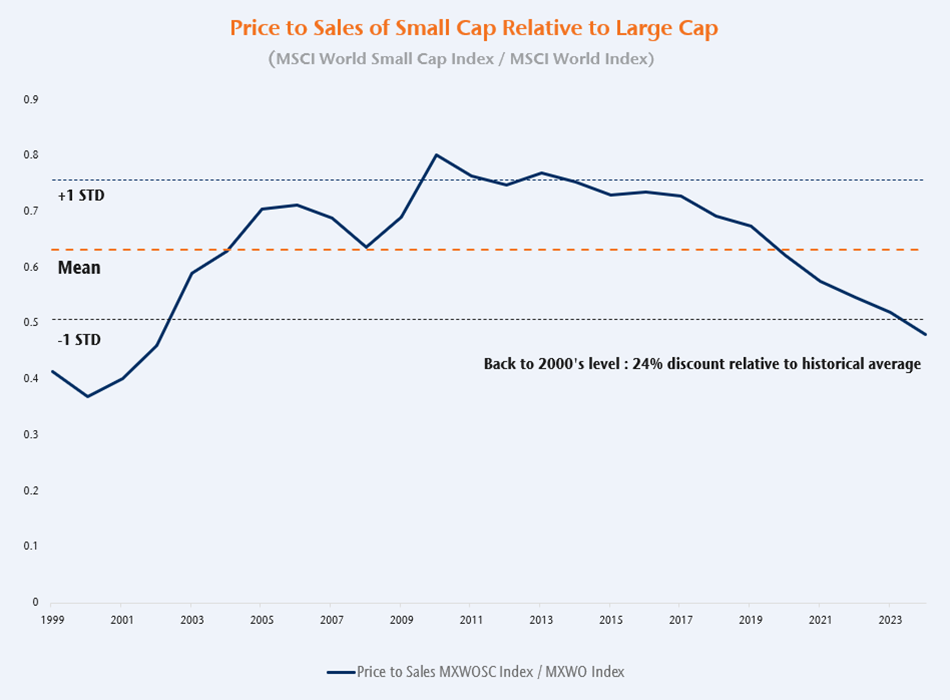
The valuation spread between small and large caps is near historic highs, presenting a rare buying opportunity​. Over the past decade, small caps underperformed largely due to multiple compression and market focus on a handful of mega-cap tech stocks. Small caps are not lagging because of weak fundamentals, but due to shrinking valuations.

Valuation reversion: Markets are cyclical, and periods of large-cap dominance are often followed by small-cap rallies. Historically, small caps have delivered superior returns during periods of economic expansion and market recovery. Small-cap stocks are trading at discounts to historical averages, offering investors a margin of safety that large caps currently lack.

A line chart illustrating the Price to Earnings of Small Cap Relative to Large Cap referencing the MXEASC Index/MXEALC Index.
Source: Bloomberg

A line chart illustrating the Price to Earnings of Small Cap Relative to Large Cap referencing the MXWOSC Index/SPX Index.

Source: Bloomberg

2. Superior earnings growth and the case for quality

Earnings growth is a critical driver of stock performance, and small caps are well-positioned in this regard. Analysts estimate small caps will post higher EPS growth than large caps through 2025 and 2026. Considering the current macroeconomic environment, focusing on quality is likely the most effective way to gain exposure to small-cap companies. The valuation reset in 2022 and the dominance of large-cap stocks in 2023 have resulted in many high-quality small caps being available at more attractive prices. Additionally, adopting a global perspective is beneficial in this context, as it reduces reliance on the performance of specific economies.

A bar chart comparing different indices to illustrate Small cap earnings growing faster than large cap.

Source: Bloomberg

3. Macro trends favouring small caps: The winds of change

Small caps are particularly sensitive to changes in interest rates and economic policies. As inflation moderates and central banks signal a shift toward more accommodative monetary policies, small caps stand to benefit. Many small-cap companies rely on external financing for growth, making them more responsive to falling interest rates than large-cap peers​. The current outlook suggests that even modest rate cuts could trigger significant outperformance in small caps.

Broadening market performance: The 2024 equity market has seen a shift in breadth, with smaller companies starting to outperform mega-cap technology stocks​. A narrowing of the gap between outperforming large-cap tech and the broader market is historically a precursor to small-cap rallies. In the third quarter, both MSCI World Small Cap and MSCI EAFE Small Cap outperformed large caps and the NASDAQ index.

A line chart comparing different indices to illustrate that MSCI World Small Cap and MSCI EAFE Small Cap outperformed large caps and the NASDAQ index in the third quarter.

Source: Bloomberg

4. EAFE small caps: Untapped potential and diversification

Beyond US borders, global small-cap equities present an additional layer of opportunity for investors seeking diversification. These stocks offer superior risk-adjusted returns, with lower correlations to US large-cap equities. International small caps have consistently outperformed their large-cap counterparts in various regions, including Europe and Japan. Despite this track record, they remain underrepresented in most portfolios, offering an underexplored opportunity.

Risk mitigation through diversification: Small-cap indices globally encompass over 6,000 companies, allowing for exposure to diverse industries and geographies. This diversity can help offset regional risks and stabilize returns​.

5. Volatility: Embracing market fluctuations for long-term gains

While small caps are inherently more volatile than large caps, this volatility can be harnessed as an advantage. Experienced investors recognize that volatility creates opportunities to buy undervalued stocks​.

Opportunities in market inefficiencies: Small-cap stocks are often under-researched and mispriced, creating fertile ground for active managers to generate alpha through stock selection.

Active management as a competitive edge: Active small-cap managers, particularly those focused on value and quality, have historically outperformed passive benchmarks during periods of heightened volatility​.

Downside protection through quality: Quality-focused small-cap portfolios have demonstrated lower drawdowns during bear markets, providing investors with enhanced downside protection and peace of mind.

6. Historical patterns: Small caps shine in post-election

Historical evidence suggests that small caps tend to outperform following US presidential elections, driven by reduced policy uncertainty and potential regulatory easing​. This trend is expected to continue in the current cycle, especially as small caps are well-positioned to benefit from a pro-growth environment.

Post-election boosts: Small caps have outperformed large caps in the 12 months following each of the past 10 presidential elections, regardless of the party in power​.

A bar chart comparing the S&P 500 Index to the Russell 2000 Index to illustrate Small Cap performance post presidential election.

Source: Bloomberg

Conclusion: A rare and timely opportunity

The case for small caps has never been stronger. Valuation gaps, superior earnings growth, favourable macroeconomic conditions, and global diversification opportunities all point to a potential resurgence in small-cap performance. Investors who embrace small caps today stand to benefit from both short-term reversion trends and long-term structural advantages.

While volatility remains a hallmark of small-cap investing, the opportunities it creates are well worth the ride. A focus on quality companies with strong fundamentals can help mitigate risks and enhance returns. With the market poised for a shift, now is the time for investors to rebalance portfolios and capitalize on the potential offered by small caps. As the famous phrase goes, “A picture is worth a thousand words,” below illustrates why small cap is the asset class to be invested in.

A line chart comparing different indices to show the growth of small caps.

Source: Bloomberg

American flags wave in the foreground with the U.S. Capitol in the background during a presidential inauguration.

2024 has been a historically significant year for elections, with around half the world’s population having the opportunity to vote. We are on the eve of the main event of the year: the US election. In the Republican red corner, we have the challenger, former President Donald Trump. In the Democratic blue corner, Vice President Kamala Harris. This week’s commentary looks at potential impacts of each outcome and how stock markets have typically reacted post-election.

Industries such as energy, financial services and manufacturing that have potential for diverging directions on policy depending on the winner of this election.

Energy

Regarding energy, the current Democratic administration has been more willing to act against climate change. One would imagine VP Harris will continue this work into her term should she win, and renewable investments would remain beneficiaries of subsidies or tax breaks. Should Trump win, this support could come under pressure and preferences would shift to traditional fossil fuels in the name of energy security. Environmental regulations would loosen, permitting fast-tracked tax benefits for oil and gas firms, benefitting those with domestic exposure.

Financial services

Trump also has a history of loosening regulations in the financial industry – rolling back some of the Dodd-Frank Act to reduce regulations originally set in place to protect borrowers, for example. Should he win, this trend of deregulation may persist. However, Republicans might think twice as last year’s Silicon Valley Bank collapse was blamed by some on those same roll-backs. Harris, on the other hand, has a record of holding banks accountable during her time as California’s attorney general, advocating for a relief package to help residents impacted by foreclosures and what she considered predatory practices around student loans. She may keep up her efforts if elected.

Manufacturing

The two parties are somewhat closer aligned on manufacturing. Both publicly support US manufacturing while placing restrictive measures on China. Where the differences lie are in the industrial end markets. Trump is more vocal about China (proposing a 60% tariff on Chinese imports), but also about foreign competition in general, floating a 10% tariff on all US imports. If trade barriers do increase, domestic manufacturers who use US-based facilities to serve the US market will be at a clear advantage. “Made in the USA” is an intrinsic part of Trump’s “Make America Great Again” campaign. Universal tariffs likely mean disrupting trade flows and inflationary pressures; imported goods account for 10% of US consumer spending. US exports could also experience retaliatory measures by other countries.

Where Trump is more supportive of traditional goods and machinery (including combustion engines), Harris and the current administration have focused on electric vehicles, alternative energy, high-tech manufacturing and supply chains courtesy of the CHIPS and Science Act. Harris’ future policy on tariffs is less known, but the current administration enforced Trump’s tariffs and shifted towards protectionism. At the least, one could foresee Harris maintaining the current administration’s policies such as the $360 billion in tariffs on goods from China and increasing certain tariffs on Mexican steel and aluminum.

Taxes

The two parties have different plans for corporate taxes. Taxes are at the forefront of Trump’s economic agenda, as they were during his first term in office. Trump’s plan is to reduce the rate to 15% (from 21%) for companies with domestic production. Harris plans to raise the rate to 28%. Combined with other tax reforms, a Harris administration could see the largest increase in revenues in decades. But could it be restrictive to growth?

Market impacts of US election results

Historically, there is no clear connection between the election result and capital market performance in the medium- to long-term. Even the narrative of investor uncertainty leading to lower returns heading into an election has proved untrue this time around. As of October 18, the S&P 500 Index had gained 23% year-to-date, having hit 47 record highs along the way and riding the wave of six consecutive weeks with gains. Investor sentiment currently drives stocks as much as fundamentals so the details of the respective policies may not be what moves markets after election day. Returns tend to be stronger in non-election years, regardless of the election outcome, and often higher when an incumbent party is re-elected and when one party wins decisively, suggesting larger policy changes.

GACM_COMM_2024-10-31_Chart01

Source: Bloomberg. Annualized Performance is calculated using S&P 500 Level 1 GICS sector indices. Data starts in 1992 and covers eight election cycles.

With the usual caveat of historical performance not being a guarantee of future results, it is interesting to note that small caps (in this case the Russell 2000) have outperformed large (Russell 1000) by an average of 5.5% in the 3-month period after the last ten presidential elections, and by 3.3% over the subsequent 12-month period.

Diversification remains key

As in previous commentaries, we believe our diversified portfolio is especially critical in periods of uncertainty. Election outcomes can heavily influence economic policies, affecting taxation, regulations and economic reforms. These changes have the power to shape various sectors and industries in profound ways. Safeguarding your investments by diversifying across different securities and industries continues to be a wise strategy.

Quality companies that demonstrate enduring strength, guided by capable management and driven by long-term secular trends are well-equipped to weather the market’s ups and downs. Their resilience and adaptability often become key to their sustained success, offering a more grounded perspective for investors looking beyond the immediate horizon of shifting politics.

Young Asian woman washing her face using skincare products.

The rise of Japanese beauty (J-beauty) on the global stage has been remarkable in recent years, driven by a unique blend of tradition, innovation and changing consumer preferences. This has positioned Japanese cosmetics and skincare products as highly sought-after items in the international beauty market.

Japanese beauty products have experienced significant growth in international markets. With the Japanese cosmetics industry valued at over 3 trillion yen, it ranks as one of the largest beauty markets globally, second only to the US and China. This expansion is projected to continue, with the market expected to reach USD 36.93 billion by 2029, growing at a compound annual growth rate (CAGR) of 2.87%.

Factors driving J-beauty’s global appeal

Skincare-first philosophy

The Japanese approach to beauty emphasizes skincare over makeup, resonating deeply with global consumers. This philosophy, rooted in the belief that beauty is an extension of overall health and wellness, is characterised by multi-step skincare routines focused on hydration, protection and prevention.

Technological innovation

Japanese beauty brands are renowned for their leading research and development. The seamless integration of technology and nature in product formulations sets J-beauty apart. Advanced ingredients like hyaluronic acid, ceramides and collagen are commonly used, while a continuous emphasis on innovation keeps them ahead of competition.

Natural and traditional ingredients

The use of unique Japanese ingredients like sake, fermented rice water and camellia oil provides a distinctive edge in the global market. This focus on natural and traditional elements aligns with the growing consumer preference for clean and sustainable beauty products. Though sustainability has been gaining traction in traditional beauty recently, it has always been rooted in J-beauty brands.

In addition, the rise of social media and e-commerce platforms has played a crucial role in J-beauty’s global expansion. Approximately 80% of beauty shoppers utilize social media daily, with 62% turning to influencers for product recommendations. This digital presence enables Japanese brands to reach international audiences effectively and more quickly than in the past. Changing consumer preferences have also helped it rise on the global stage. In the last few years, the “clean girl” beauty trend has emerged on Tik Tok and Instagram that emphasizes a fresh and natural appearance that accentuates one’s natural features. The minimalist approach to beauty, focusing on skin health rather than heavy makeup, has influenced global beauty trends. This “skinimalism” concept resonates with consumers seeking more sustainable and effective beauty solutions offered by J-beauty brands.

Kosé

One of our holdings has been capitalizing on this trend. Kosé (4922 JP) is a Japanese company founded in 1946 is a manufacturer and retailer of J-beauty products ranging from skin care to makeup to hair care. The company has a distribution network in over 20 countries with many different brands under its umbrella, but the most known in North America is tarte, widely sold in Sephora and Ulta stores. The company’s other brands include Decorté, Albion, Sekkisei and Kosé.

Capitalizing on the rise of clean beauty and J-beauty in North America, tarte’s cosmetics have continued to gain popularity and grow market share as a result. In H1 of 2024, the company saw a 38% year-over-year revenue growth in North America from tarte. We believe that the company will continue to capitalize on this trend and grow not only in North America, but in other parts of the world.

Close-up of an old water faucet leaking a few water drops.

Recently, we have witnessed one city after another come closer to Day Zero with alarming regularity. Day Zero is the critical point at which a city’s water supply goes completely dry. Earlier this year it was Mexico City and Bogota. In 2018, it was Cape Town, and in 2015, wells in central California went dry. Water scarcity does not distinguish between rich or poor countries. With population growth and climate change further straining water resources, expect to see more Day Zero headlines in the near future.

Sadly, until the taps run dry, water scarcity is not at the top of most people’s minds. Most people take a running tap for granted. But it’s worth highlighting that 97% of Earth’s water is salty. That means only 3% of all water available on earth is fresh water, and 2% is locked up in permafrost. That leaves a measly 1% to go around for all of humanity. As seen in the chart below, this precious resource is not distributed evenly. And its extraction around the world – as seen in the second chart – is clearly not correlated to availability.

Map of the world showing physical water stress based on data from National Geographic and UNICEF.Source – National Geographic, UNICEF
Map of the world showing freshwater withdrawal as a proportion of available freshwater resources in 2019 based on data from the Food and Agriculture Organization of the United Nations with graphic from the Guardian.
Source: Food and Agriculture Organization of the United Nations


Take the world’s most populous country – India. According to Central Water Commission of India, water availability in India has from 6,042 cubic metres per capita in 1947 (the year of Independence) to just 1,486 cubic metres per capita by the end of 2021. Water scarcity in most regions is the result of simple supply and demand dynamics. Supply of safe, usable water comes from surface water sources like lakes and rivers and from groundwater through aquifers. On the demand side, 70% of the demand comes from agriculture, 19% from industrial use and the remaining 11% from domestic needs like drinking and sanitation.

And demand is growing for several reasons. Besides population growth, water-intensive crops like cotton and sugarcane can be more profitable for farmers. A change in diet as populations grow more affluent means more consumption of water-hungry food items like nuts (walnuts, pistachios and almonds) and more consumption of meat. Creating a pound of beef requires more than 8,000 litres of water which is around eight times as much as vegetables and 20 times as much as wheat and corn.

While climate change is exacerbating water shortages, we ironically need more water (via lithium mining) to meet our climate change goals via electrification. According to the UN, the demand for fresh water is expected to outstrip supply by 40% by the end of this decade. As Mark Twain once famously said – “Whiskey is for drinking and water is for fighting.” Many countries depend on water supply originating from their neighbours. Managing and conserving water resources as a global common good might be the only way to avoid future conflicts.

A holding in our emerging market portfolio that is looking to address this issue is VA Tech Wabag (VATW IN). With a 100-year operating history, Wabag is one of the global leaders in water treatment solutions operating in India, the EU, the Middle East and Africa. Wabag works with both municipalities and industries on wastewater treatment and desalination projects. It has completed 1,450 plants around the world while developing its proprietary technology in this field with more than 125 patents and trademarks.

We like the company for its strong execution track record, technical expertise in delivering custom solutions and strong order book. We also like its discipline and selectiveness when it comes to bidding opportunities around the world. Three years ago, the company decided to deemphasize the “C” aspect of the EPC (Engineering, Procuring & Construction) model and generate more annuity revenues from operations and maintenance contracts. This shift to an asset-light model and focus on deleveraging should lead to strong value generation in the coming years.

A container ship passes beneath a suspension bridge as it departs for Europe.

Logistics have become as essential to our daily lives as electricity and water. Operating largely behind the scenes, the growing logistics sector ensures the seamless movement of goods and services across the globe. Just like utilities, we only notice it when things go wrong – be it delays, shortages, or supply chain disruptions – that remind us how indispensable logistics have become to everyone.

Many of us still recall the severe supply chain disruptions during the pandemic, which exposed the vulnerabilities of global logistics networks. While those acute challenges have eased, the industry continues to face headwinds. For example, recent geopolitical tensions in the Red Sea have blocked critical shipping routes, further complicating the already strained system.

Closer to home, the recent port worker strikes on the East and Gulf coasts over wages and automation have impacted roughly half of all containerized imports into the United States. Although a prolonged strike has been avoided with the tentative agreement, the ripple effects might soon be felt. Retailers began moving shipments earlier this year to prepare for potential port strikes, the effects of which can raise freight cost by up to 20% due to the extra warehousing needed to store the larger inventories. The rising cost, along with higher wages, may add pressure to inflation – an indicator the Federal Reserve is closely watching.

These events highlight how reliant businesses and consumers are on the smooth operations of logistics networks. In 2023, the industry was valued at $9.41 trillion, representing 9% of the global GDP. By 2028, it’s projected to grow to $14.08 trillion, at an annual growth rate of 8.4%. The Asia-Pacific region leads the logistics market, contributing $4.6 trillion, as trade routes expand and production shifts to the region. In fact, the container trade flow within Asia is larger than any trade lane globally.

A key segment of the logistics industry is third-party logistics (3PL), which offer a comprehensive suite of services, including warehousing, inventory management and automated shipping. The global 3PL market was valued at over $1 trillion in 2023.

One of our holdings in this space is Kerry Logistics Network (636 HK). The company is an Asia-based 3PL leader with an extensive global portfolio. With its strong presence in Asia, Kerry Logistics supports multinational corporations by providing value added solutions, including integrated logistics, international freight forwarding, e-commerce, industrial and infrastructure project logistics. The company demonstrated resilience during the pandemic, with proven capabilities to move shipments efficiently despite global supply chain disruptions.

Another one of our holdings is  ID Logistics Group (IDL FP), a leader in contract logistics, with over 8% market share in France and a growing presence in Europe and the rest of the world. Contract logistics, a specialized service offered by 3PL providers to manage supply chain operations on behalf of clients, generates high levels of recurring revenue under multi-year contracts. The segment was worth $426 billion in 2023 and is expected to grow at over 7% annually by 2032. Given the recurring nature, the business is not very sensitive to recessions and freight cycles. ID Logistics has been constantly gaining market share in Europe and has entered the US through an acquisition, which opens new growth opportunities for the company.

One of the key issues during the recent port strike was the opposition to automation. However, persistent labour shortages, rising operational costs and the growing complexity of global supply chains are pushing CEOs to adopt automation to boost productivity and reduce human error. The global logistics automation market was valued at $34.6 billion in 2023 and is expected to grow at CAGR of 15% from 2024 to 2030. GXO Logistics (GXO US), a holding, which focuses on contract logistics and provides integrated automation solutions to its blue-chip customer base, which includes about 30% of Fortune 100 companies. Its large-scale automation solutions can lead to 50% reduction invariable costs, 60% reduction in inventory wastage, and 50% improvement in inventory efficiency.

As the logistics industry continues to evolve and expand, it creates many opportunities for innovation and growth. It will remain a key area of focus for our investment strategy.

A busy intersection in New York City with bright sunlight in the background.

“Climate change is the biggest opportunity of our generation.” This is one the key messages that resonated throughout some of the panels, conferences and workshops at Climate Week NYC. Our participation underscored the inevitability of the energy transition. Beyond advocacy, the event offered actionable insights that enhanced our expertise, helped identify investment opportunities and sharpened our understanding of the challenges we face as investors in a rapidly evolving landscape.

Below are 5 key takeaways from Climate Week NYC.

  1. Energy transition is no longer an option – It’s reality
    Global ambitions aligned with the Paris Agreement, aiming to limit warming to 2°C, are becoming increasingly tangible. The momentum from stakeholders, clients and regulatory bodies is driving industries toward cleaner, more sustainable practices. For investors, recognizing this trend is crucial as it opens new avenues for growth and opportunities in transforming sectors. Furthermore, with 2024 being a pivotal election year across many regions, understanding how political shifts will influence climate policies equips us to adapt our strategies proactively.
  2. The regulatory landscape is a game changer
    One of the most significant insights was the increasing impact of climate-related regulations and policies. The Inflation Reduction Act (IRA) has emerged as a pivotal policy, promoting both the energy transition and economic growth. With incentives for renewable energy projects, efficiency upgrades and sustainability initiatives, sectors such as renewable energy, energy storage and green infrastructure present attractive investment opportunities. Understanding these policies enables us to capitalize on emerging trends while mitigating risks.
  3. Technology as a catalyst for change
    Advancements in renewable energy, energy storage and efficiency are accelerating the energy transition. Innovations in areas like geothermal energy, large-scale battery storage and AI-driven energy management are reshaping the competitive landscape across multiple sectors. These technologies enable greater energy resilience, support the integration of renewable sources and drive efficiency improvements. Staying attuned to these technological shifts helps us to identify emerging opportunities and understand how they contribute to a more sustainable and adaptable investment landscape.
  4. Sustainable practices enhance competitiveness
    Sustainable practices are increasingly recognized as a hallmark of sound management and operational excellence. Integrating sustainability into business strategies is seen by many as an indicator of strong leadership, efficient resource management and long-term vision. This alignment not only helps companies reduce risks and adapt to evolving regulations but also enhances their competitiveness by fostering innovation and resilience. By embedding sustainability into their core operations, businesses position themselves for success, signaling to investors that they are well-prepared to navigate future challenges while driving value and growth.
  5. Engagement is key to understanding and investing in resilience
    Engaging with companies on their sustainability practices is an effective way to gauge the quality of their management and approach to risk mitigation. Through active dialogue, we gain deeper insights into how businesses manage climate risks, adapt to changing regulations and integrate sustainability into their operations. This engagement not only helps us assess a company’s long-term resilience and adaptability but also ensures that we identify organizations committed to effective management and strategic thinking. By understanding how they address sustainability challenges, we can better align our investments with businesses that are proactive, forward-thinking and poised for sustained success.

Why this matters to our clients

The insights gained from Climate Week reaffirm our commitment to identifying and investing in companies that are not just resilient but capable of thriving amidst changing global regulatory landscapes and climate transition. By staying informed, engaged and proactive, we continue to position ourselves as investors ready to navigate the complexities of a rapidly changing world.